
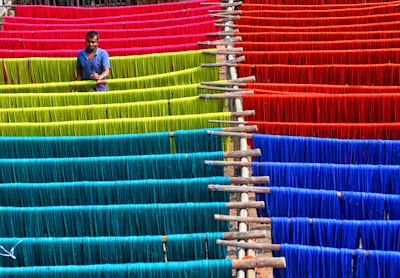
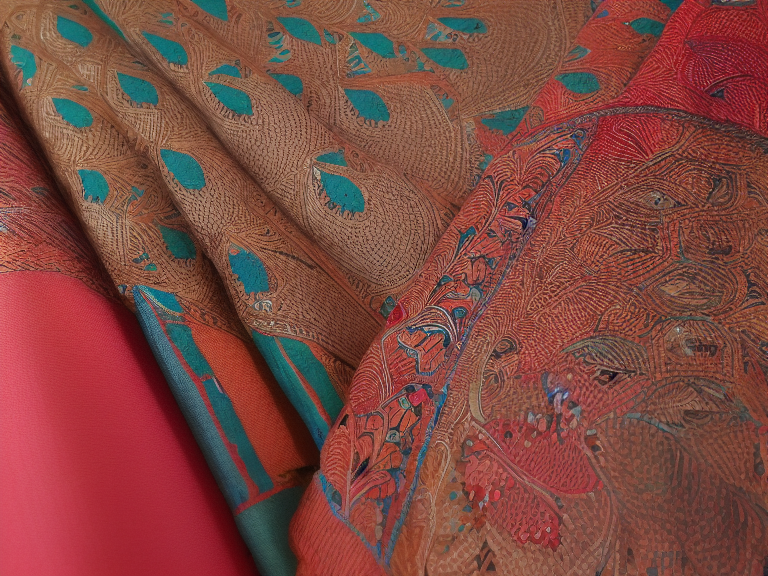
India, a country of diverse cultures and traditions, has always been known for its rich heritage and the centuries-old tradition of textile making. The Indian textile industry has a significant impact on the country’s economy and has been one of the most prominent industries to contribute to the country’s growth. From the intricately designed silk sarees of Kanchipuram to the vibrant phulkari embroidered shawls of Punjab, India’s textile industry is a treasure trove of craftsmanship and artistry.
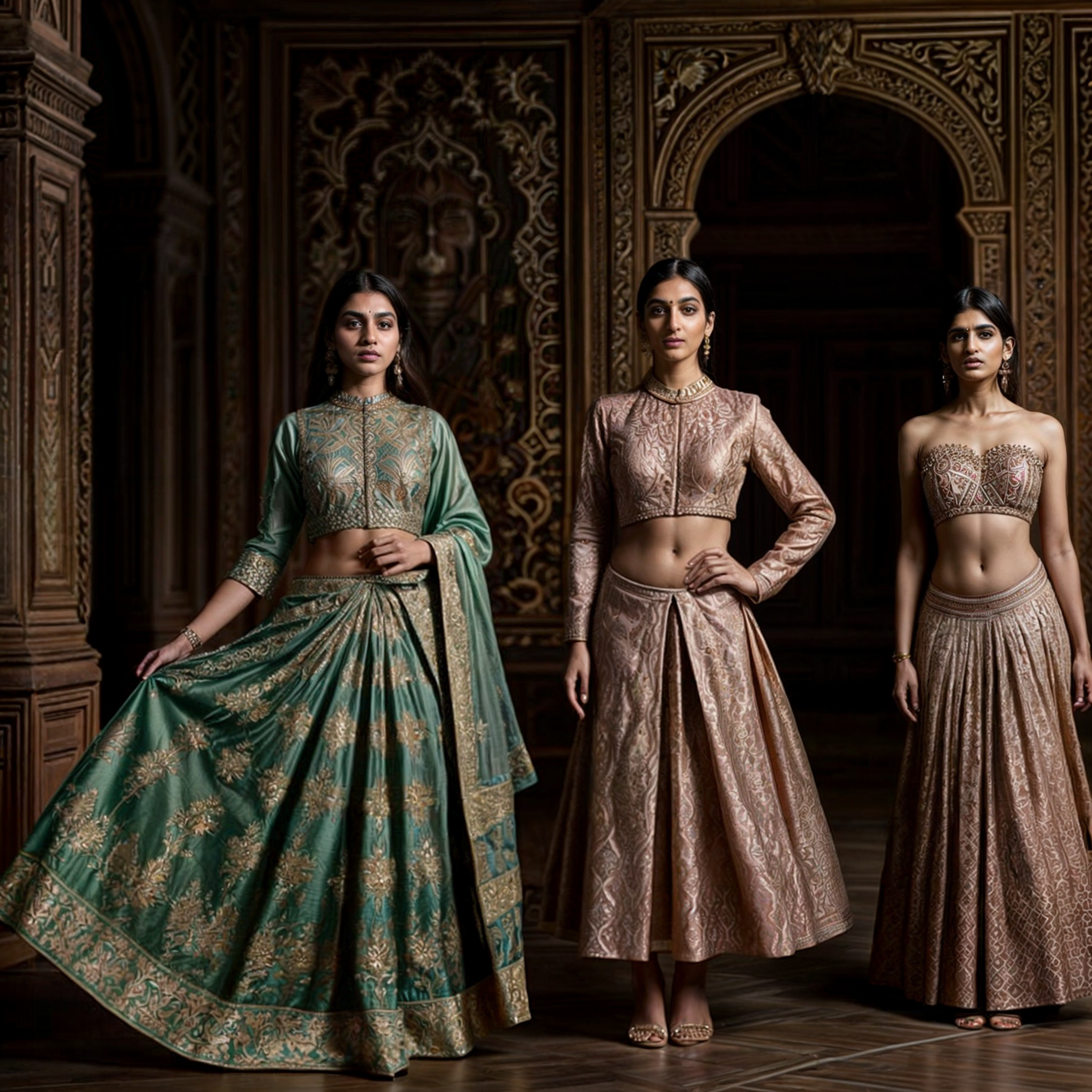
The influence of Indian textiles has transcended borders and has managed to make its way into the global fashion industry. Fashion designers all over the world have been inspired by the traditional Indian textiles and have incorporated them into their collections. From the Paris Fashion Week to New York Fashion Week, the Indian fabrics have been showcased in various forms, from the intricate embroidery to the colorful prints. The textiles of India have become a symbol of the country’s rich cultural heritage, and the world has taken notice.
Indian textiles have a long-standing history, with evidence of textile production dating back to the Indus Valley Civilization. The textiles of India have been an integral part of the country’s social and religious practices. Ancient Indian texts have mentioned the various fabrics like cotton, silk, and wool, as well as the dyeing techniques used to color them. The importance of textiles in Indian society is evident by the various festivals and occasions where people wear specific fabrics and styles of clothing.
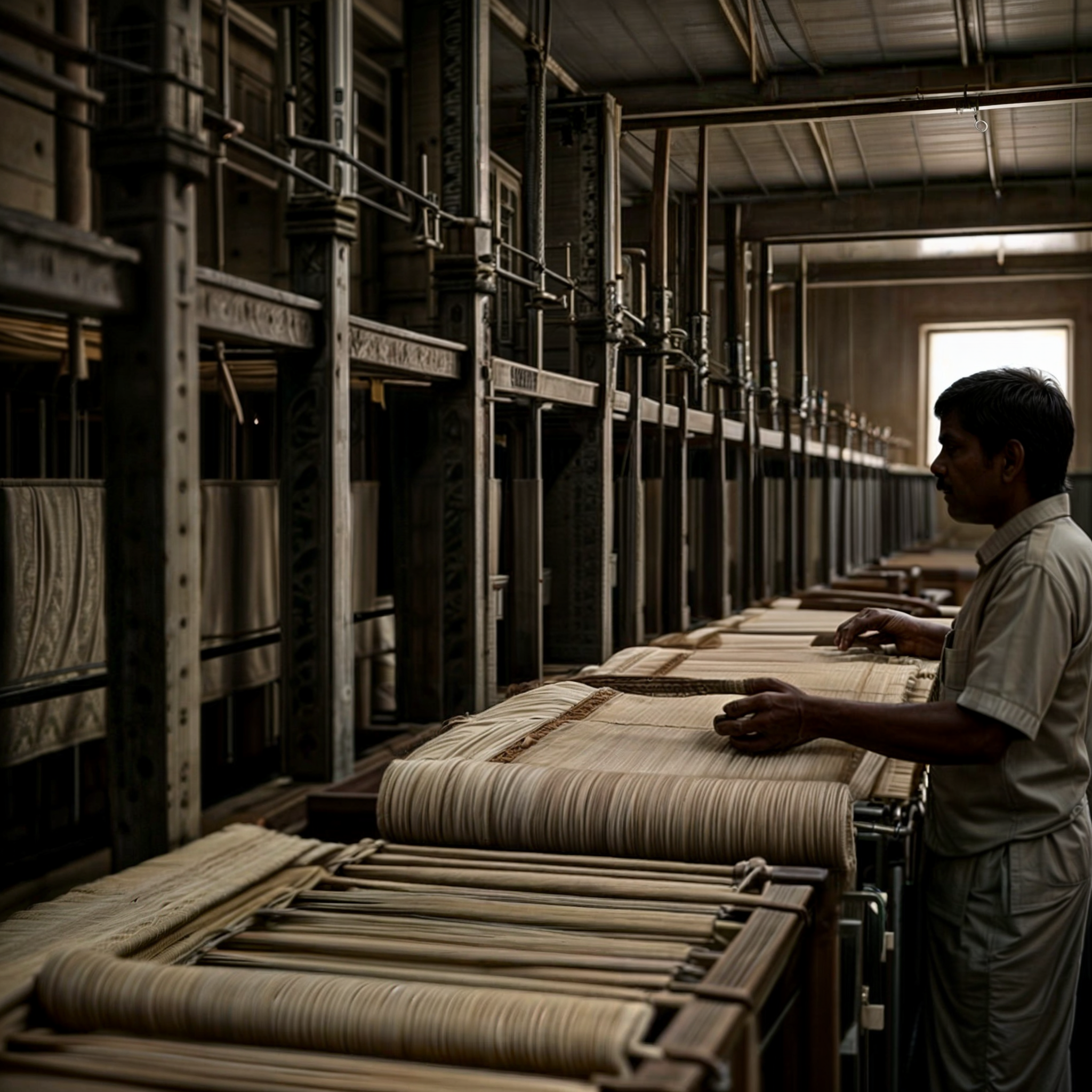
The Indian textile industry is the second-largest employer in the country, providing employment to over 45 million people. The industry is powered by a vast network of weavers, artisans, designers, and entrepreneurs who have carried forward the rich cultural legacy of textile making for generations. The industry is also one of the largest foreign exchange earners in the country, contributing significantly to the overall economic growth.
Indian textiles are not just beautiful pieces of clothing but also a representation of the country’s diverse cultural heritage. The textiles of India are a reflection of the country’s rich history, art, and traditions. Each region of the country has its unique style of textile making, which has been passed on through generations. From the intricate zari work of Banaras to the tie-dye techniques of Gujarat, every fabric narrates a story of its own.
The power of Indian textiles lies not just in its economic potential but also in the cultural and emotional value it holds. The textiles of India have been an essential part of people’s lives since ancient times, and they continue to be so even today. The Indian government has recognized the importance of the textile industry and has been taking various initiatives to support the growth of the industry. Celebrating the rich cultural heritage of Indian textiles is not just a matter of pride but also a way of preserving the legacy for generations to come.
The History of Indian Textiles
Indian textiles have a rich history that dates back to ancient times, with evidence of cotton cultivation and dyeing techniques found in the Indus Valley Civilization from 2500 BCE. Over the centuries, different regions of India developed their own unique textile traditions and techniques, such as the intricate weaves of Banarasi saris or the vibrant tie-dye of Bandhani fabrics.
1. Cotton Cultivation in Ancient India
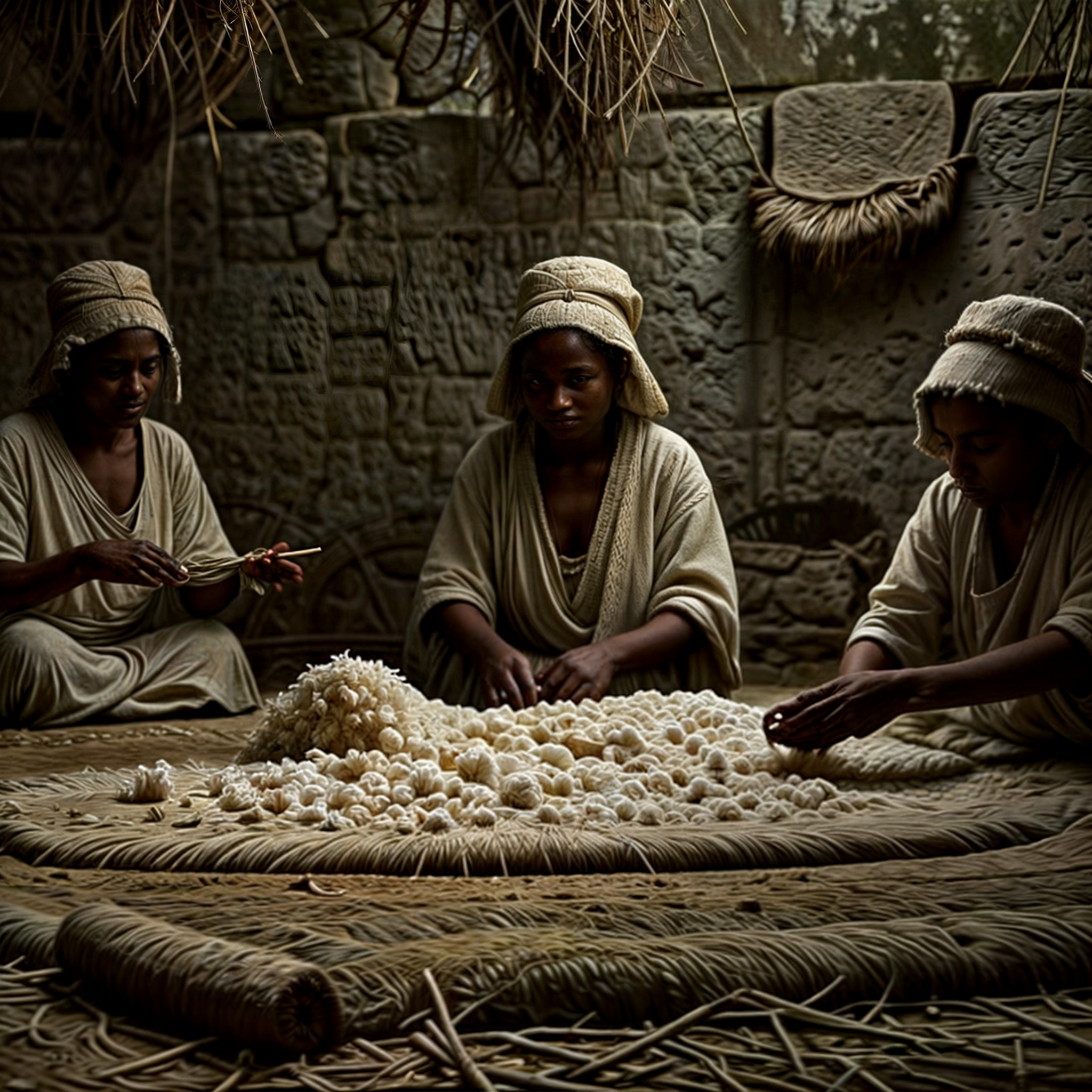
- Cotton cultivation and dyeing techniques have been traced back to the Indus Valley Civilization, dating back to 2500 BCE.
- Fact: Cotton was not only used for textiles but also served as a form of currency in ancient India.
| Year | Event |
|---|---|
| 2500 BCE | Evidence of cotton cultivation |
| 5th century | Cotton textiles mentioned in literature |
| 15th century | Cotton trade flourished under Mughals |
2. Regional Textile Traditions
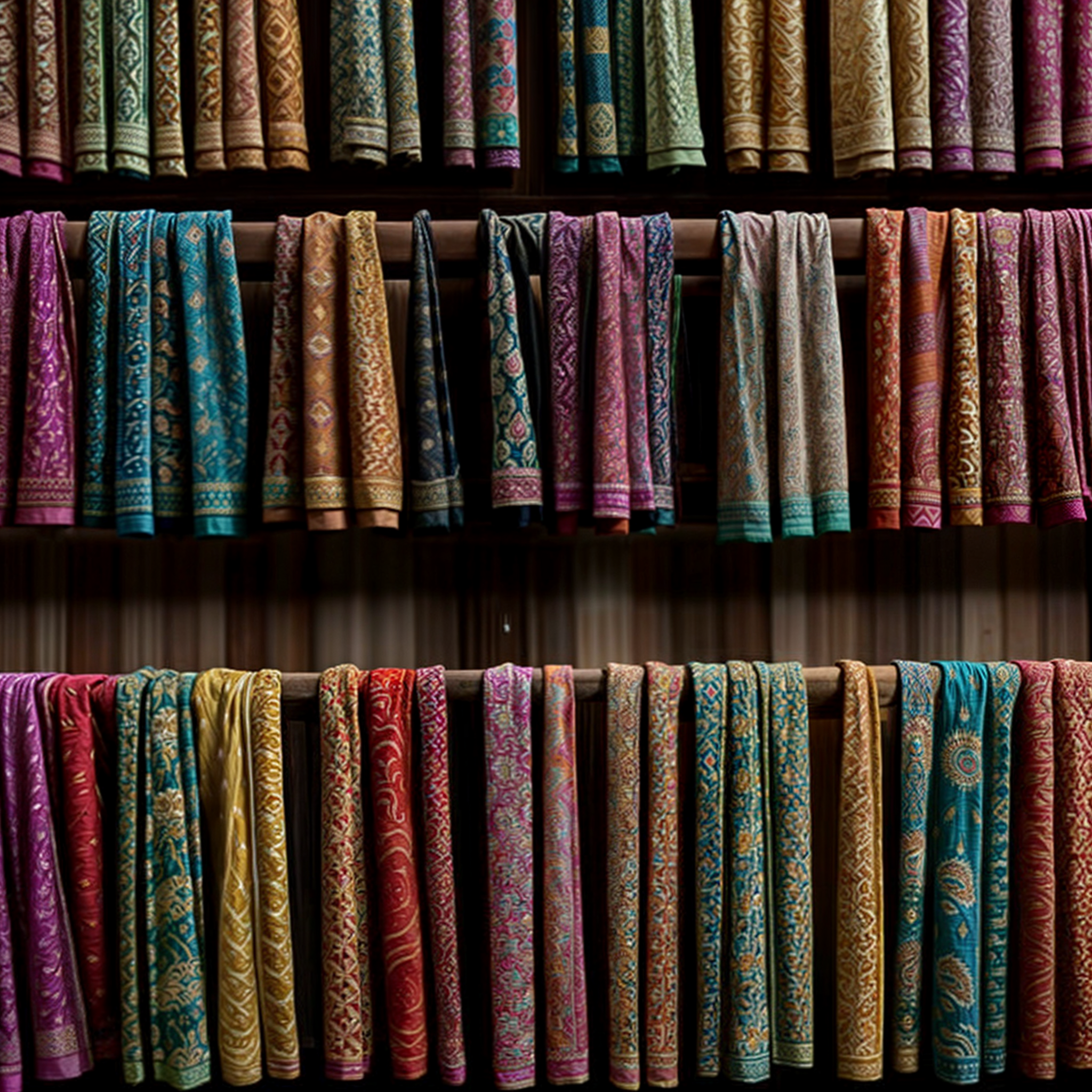
- Different regions of India developed unique textile traditions such as the intricate weaves of Banarasi saris and the vibrant tie-dye of Bandhani fabrics.
- Fact: The Banarasi sari is known for its gold and silver brocade or zari, and intricate designs inspired by Mughal motifs.
| Region | Unique Textile Tradition |
|---|---|
| Banaras | Zari work and intricate weaving |
| Gujarat | Bandhani tie-dye technique |
| Tamil Nadu | Kanchipuram silk sarees |
| Rajasthan | Block printing and vibrant colors |
3. Influence of Foreign Trade
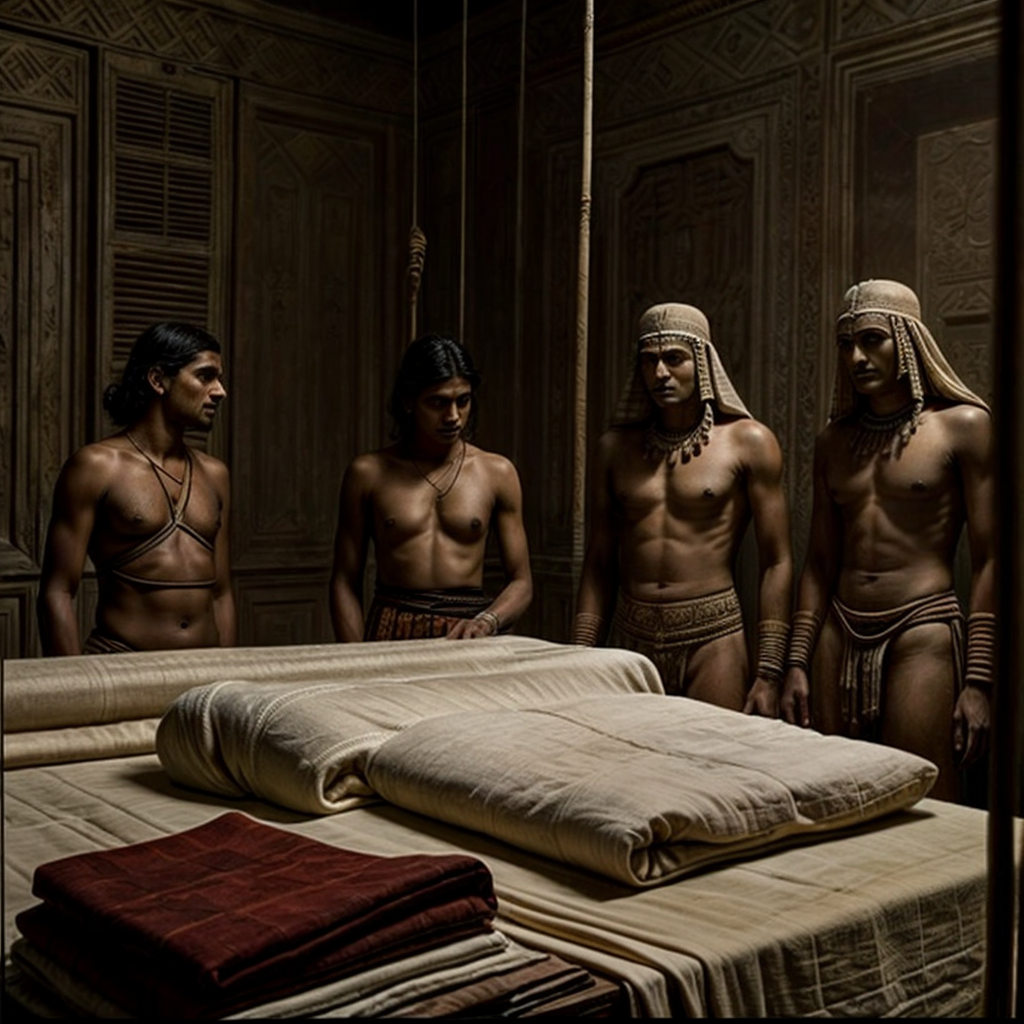
- India’s textile industry flourished due to extensive trade relations with foreign civilizations such as Romans, Greeks, and Egyptians.
- Fact: Indian cotton was highly prized in the Roman Empire and was referred to as “woven winds” due to its lightness.
- Key Points:
- Indian textiles were traded along the Silk Route, reaching as far as China.
- Phoenician traders were instrumental in spreading Indian textiles to the Mediterranean.
4. Technological Advancements
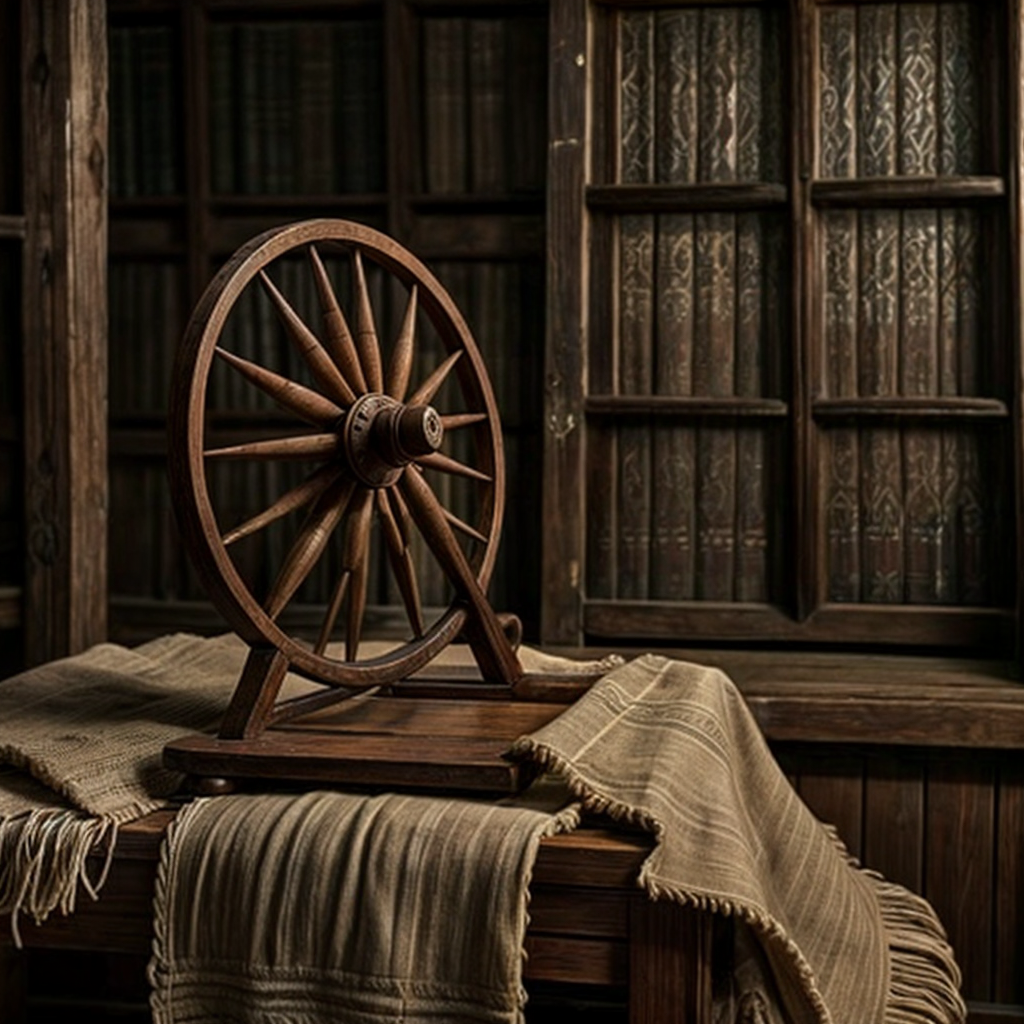
- Indian textiles witnessed advancements such as the introduction of the spinning wheel during the medieval period.
- Fact: The spinning wheel, also known as the charkha, revolutionized textile production and became a symbol of India’s struggle for independence.
| Period | Technological Advancements |
|---|---|
| Medieval Period | Introduction of the spinning wheel (charkha) |
| 18th Century | Advent of the power loom, impacting handloom industry |
| 19th Century | Introduction of steam-powered mills |
5. Influence of Indian Textiles on Global Trade
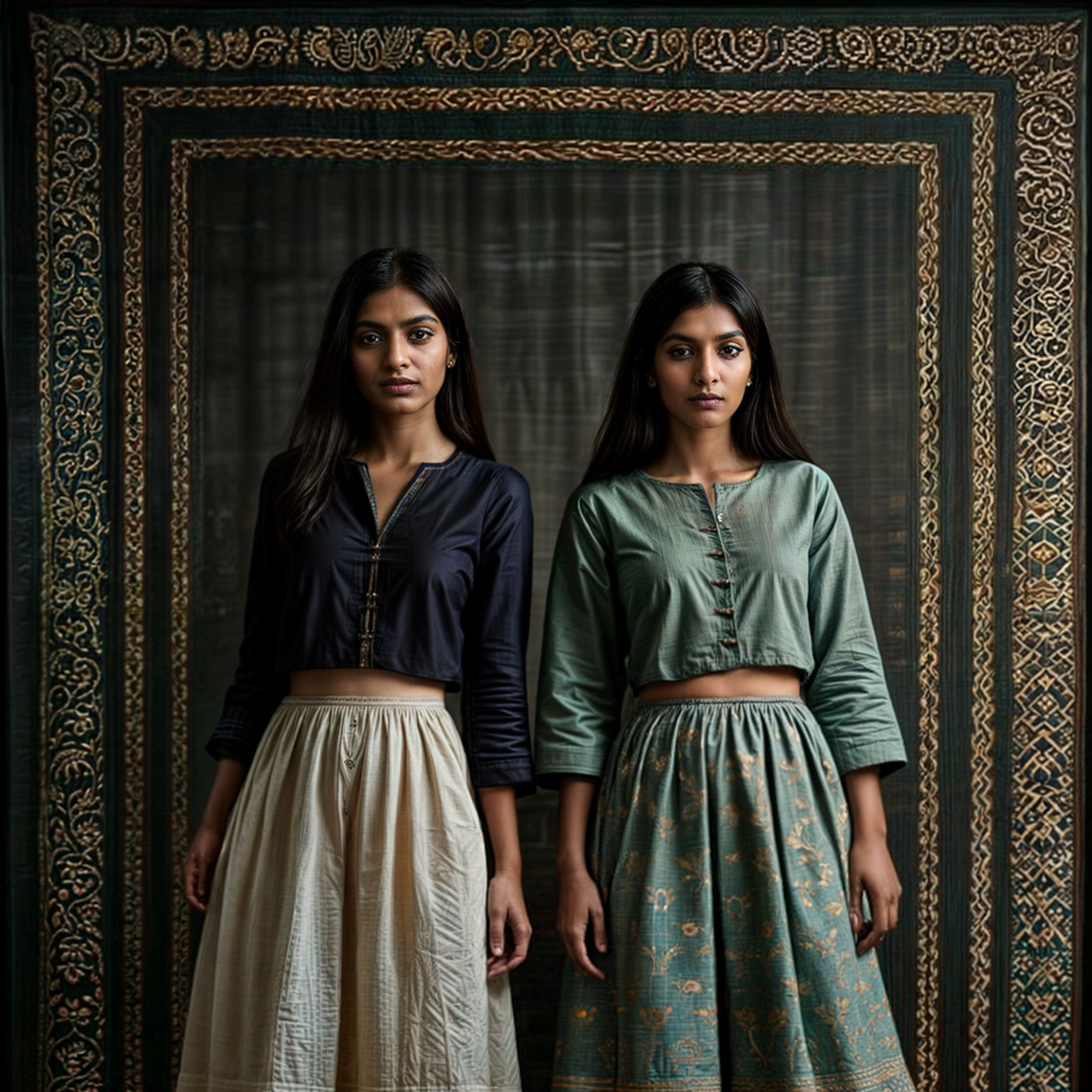
- Indian textiles played a crucial role in global trade networks, influencing fashion trends worldwide.
- Fact: The demand for Indian textiles led to the establishment of trading posts by European powers in India.
| Century | Event |
|---|---|
| 16th | Portuguese establish trading posts in Goa and Mumbai |
| 17th | Dutch East India Company dominates textile trade in Southeast Asia |
| 18th | British East India Company monopolizes Indian textile trade |
Through these diverse aspects, the history of Indian textiles emerges as a rich tapestry woven with innovation, tradition, and global influence, showcasing India’s enduring legacy in the textile industry.
Symbolism and Significance in Indian Textiles
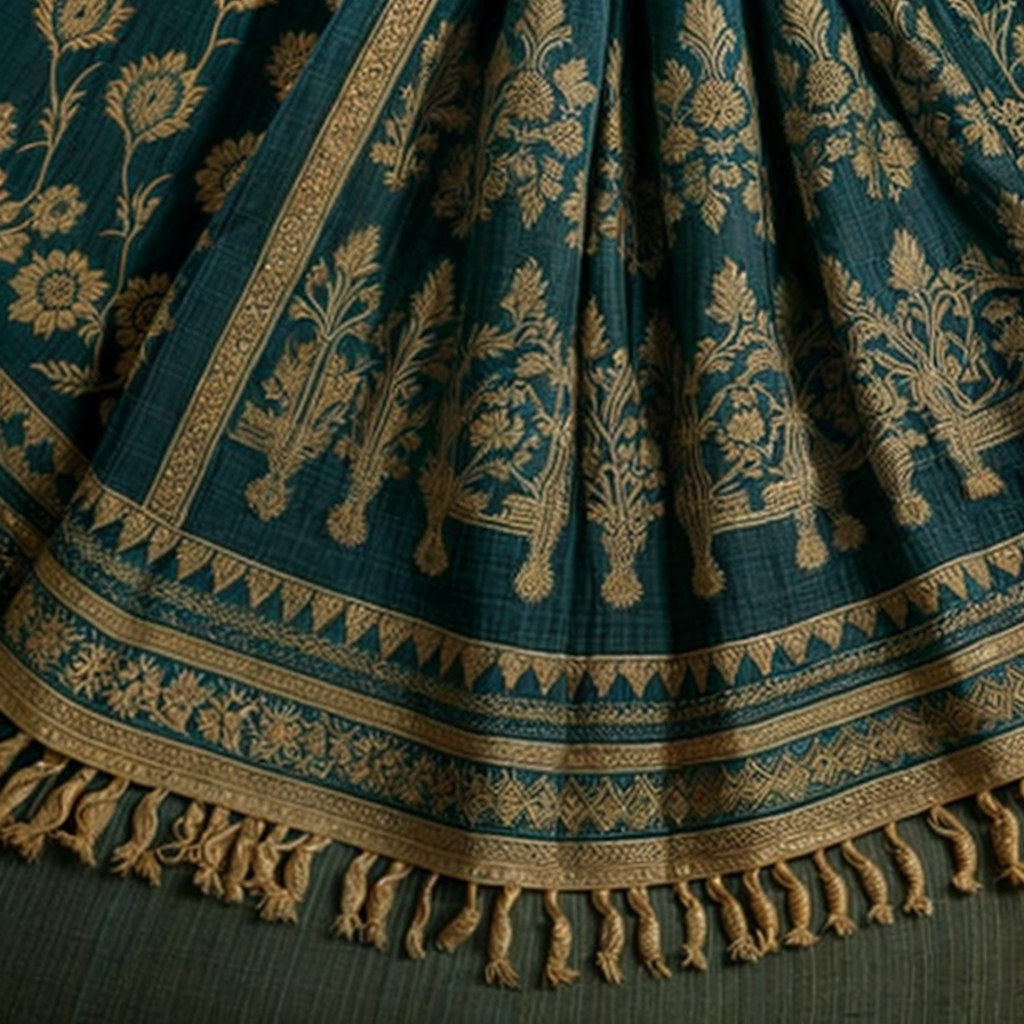
Indian textiles are more than just colorful fabrics – they often have deep cultural and religious symbolism. For example, the colors and motifs on a saree can indicate a woman’s marital status, region of origin, and even political affiliations. Similarly, textiles used in religious ceremonies are carefully chosen for their auspiciousness and spiritual significance.
The Role of Handicrafts in Indian Textiles
Handicrafts are an integral part of India’s textile legacy, with thousands of artisans across the country producing intricate embroidery, weaving, and printing techniques. However, in recent decades, the rise of mechanized textile manufacturing and globalization has led to the decline of traditional handicrafts.
Let’s delve deeper into various aspects of this significant contribution:
1. Traditional Handicraft Techniques
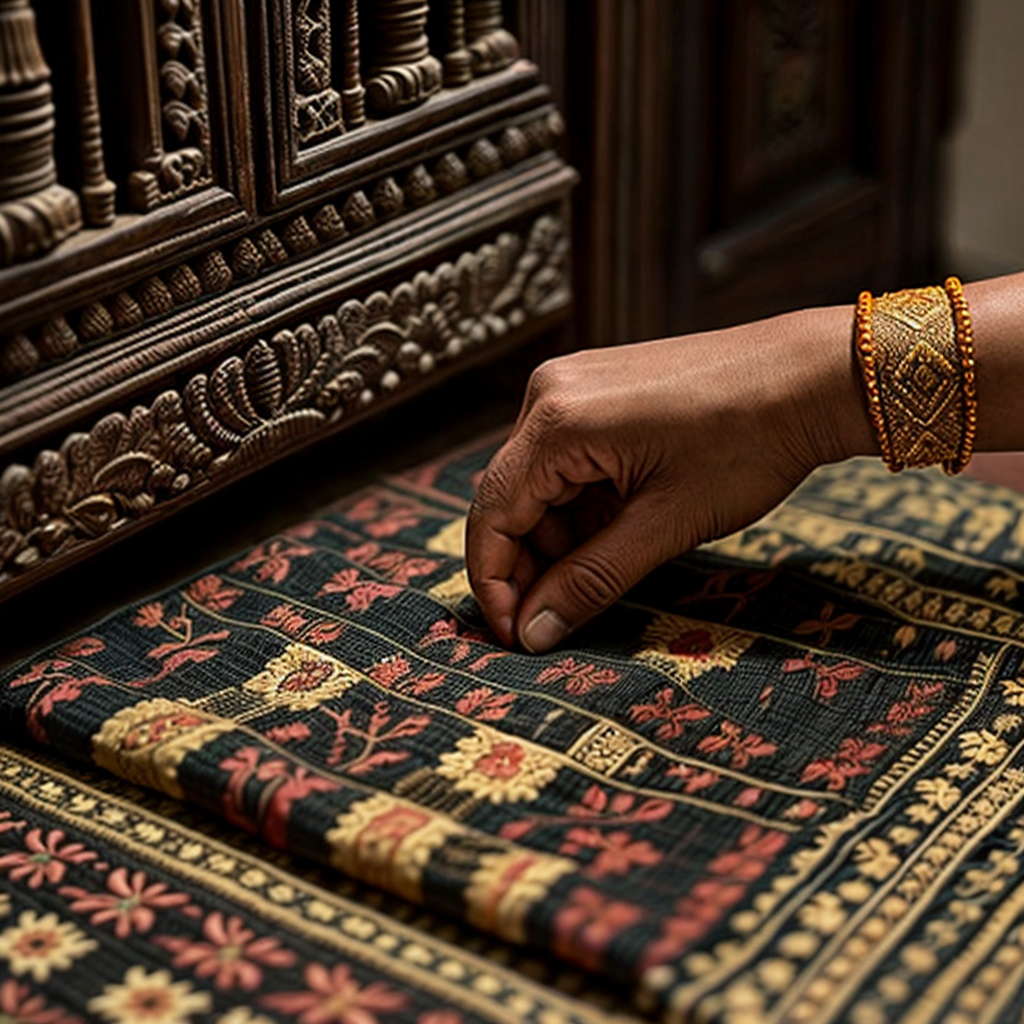
- Traditional Indian textiles are renowned for their intricate embroidery, weaving, and printing techniques, all of which are painstakingly crafted by skilled artisans.
- Factual Information: Did you know that some of these techniques have been passed down through generations for centuries, with each region of India boasting its own unique style?
- Key Points:
- Embroidery styles include Kantha from West Bengal, Chikankari from Uttar Pradesh, and Zardozi from Lucknow.
- Weaving techniques range from the complex designs of Banarasi sarees to the geometric patterns of Ikat fabrics.
2. Artisan Communities and Livelihoods
-
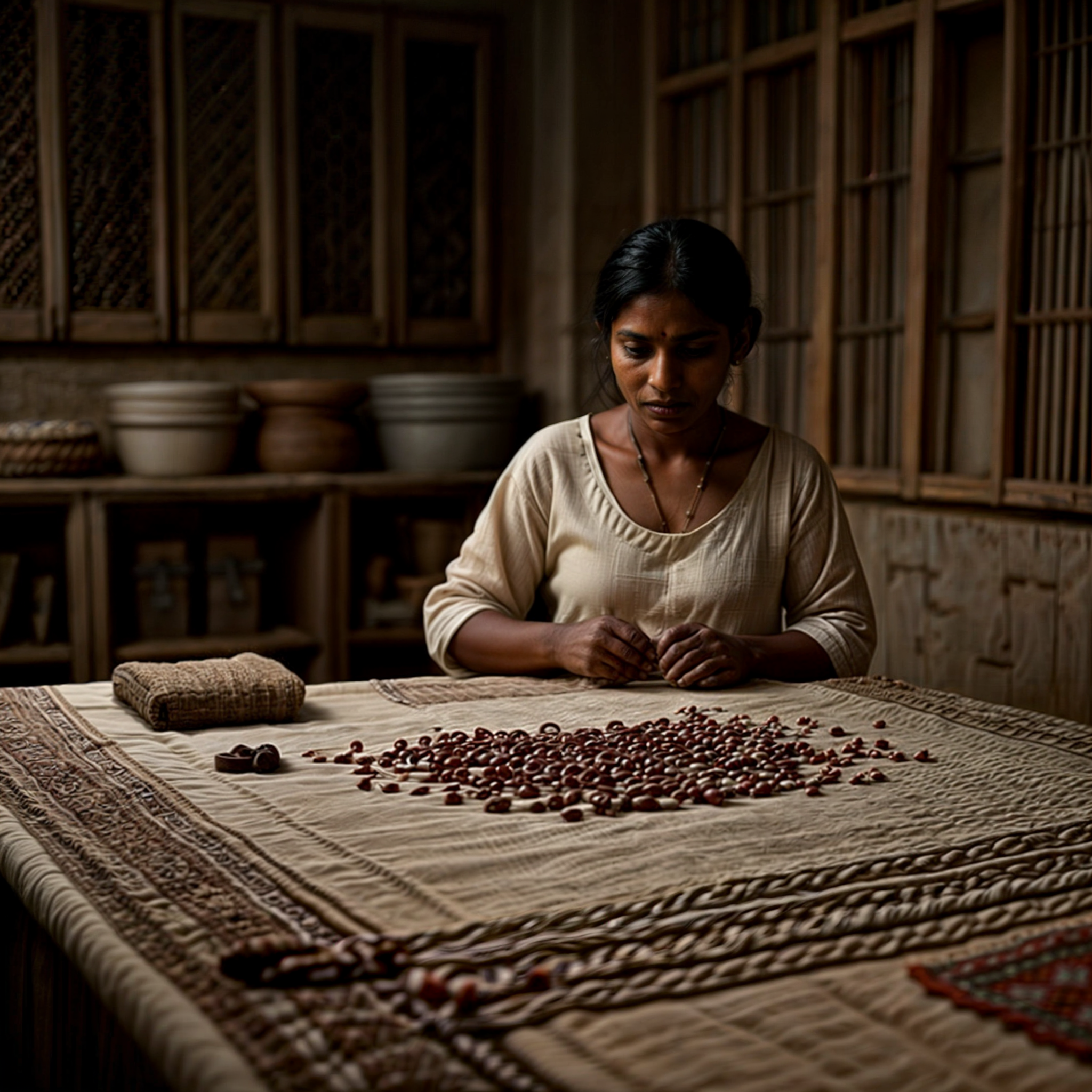
Thousands of artisans across India rely on handicrafts as their primary source of income, with many belonging to marginalized communities.
-
Factual Information: According to recent statistics, over 23 million artisans are engaged in the handicraft sector, contributing significantly to the rural economy.
State Number of Artisans Main Handicrafts Rajasthan 3.5 million Blue Pottery, Block Printing Uttar Pradesh 4.2 million Chikankari, Zardozi West Bengal 2.8 million Kantha, Patachitra Gujarat 3.1 million Bandhani, Embroidery
3. Challenges and Revival Efforts
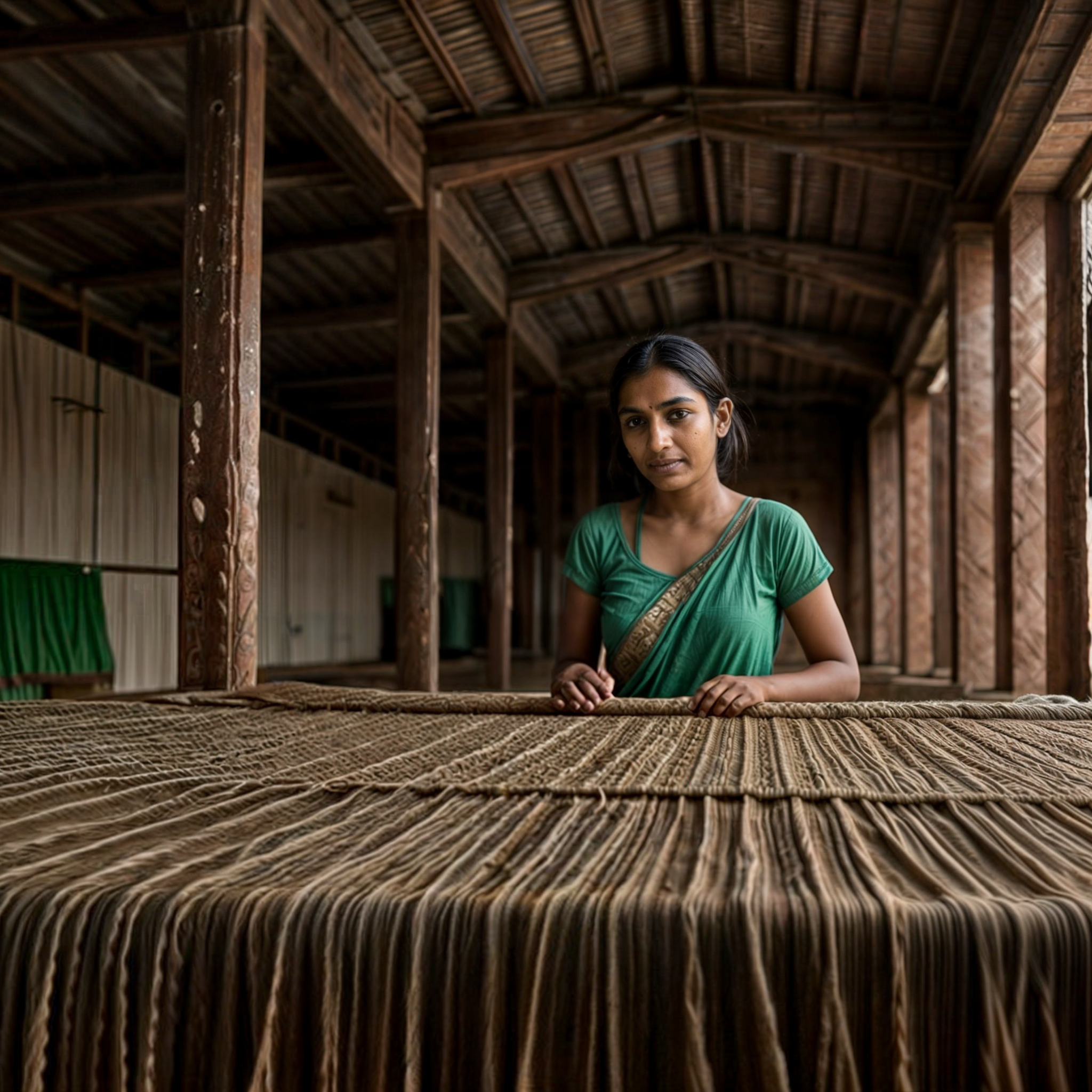
- Despite the significance of handicrafts, they face numerous challenges, including competition from mass-produced goods and lack of market access.
- Factual Information: To address these issues, various organizations and government initiatives have been launched to promote traditional crafts and provide artisans with training and marketing support.
- Key Points:
- Initiatives like the ‘Make in India’ campaign aim to promote indigenous crafts and boost rural employment.
- NGOs like Dastkar and SEWA help artisans access fair trade markets and provide them with entrepreneurial skills.
4. Sustainability and Ethical Practices

-
There is a growing global demand for sustainable and ethically produced textiles, aligning with the principles of fair trade and environmental conservation.
-
Factual Information: Many consumers are seeking out handcrafted products that support artisan livelihoods and promote eco-friendly practices, driving a shift towards conscious consumption.
Aspect Traditional Handicrafts Mass-produced Textiles Environmental Impact Low High Labor Conditions Skilled Artisans Factory Workers Cultural Preservation High Low
5. Global Recognition and Market Opportunities
- Indian handicrafts have gained recognition on the international stage, with exports contributing significantly to the country’s economy.
- Factual Information: The export value of Indian handicrafts reached $3.5 billion in the last fiscal year, with countries like the USA, UK, and Germany being major importers.
- Key Points:
- International collaborations with brands like IKEA and Anthropologie have provided exposure to Indian artisans in global markets.
- Handcrafted products are increasingly valued for their authenticity and storytelling, creating niche markets for artisanal goods.
By understanding the multifaceted role of handicrafts in Indian textiles, we can appreciate the cultural richness and economic importance of this traditional art form.
Revitalizing Traditional Textile Techniques
Despite these challenges, there has been a renewed interest in traditional Indian textile techniques in recent years. Organizations like the Crafts Council of India and brands like Fabindia are promoting the use of handcrafted textiles and investing in the livelihoods of rural artisans. Additionally, there has been a growing trend towards sustainable and ethical fashion, which values the handcrafted and environmentally friendly aspects of traditional textiles.
Indian Textiles in Modern Fashion
Indian textiles have also gained popularity in international fashion, with designers like Manish Malhotra and Sabyasachi Mukherjee incorporating traditional fabrics and techniques into their modern designs. Western brands like H&M and Levi’s have also collaborated with Indian artisans to produce limited edition collections featuring handcrafted fabrics.
Celebrating Diversity through Textiles
India’s diverse textile traditions reflect the country’s rich cultural heritage and regional variations. From the colorful Kalamkari fabrics of Andhra Pradesh to the intricate Chikankari embroidery of Lucknow, each textile tells a unique story. By celebrating and preserving these traditions, we can deepen our appreciation for India’s rich cultural tapestry.
The Future of Indian Textiles
As India continues to modernize, it is important to remember and value the country’s traditional textile techniques. By supporting local artisans and promoting sustainable fashion, we can ensure that these traditions continue to flourish for generations to come.
Summary
The Indian textile industry is a significant contributor to the country’s economy and showcases a rich cultural heritage. From silk sarees to embroidered shawls, the Indian textiles industry is a treasure trove of craftsmanship and artistry. The industry has managed to make its way into the global fashion industry with designers incorporating traditional Indian textiles into their collections. The industry is also a significant employer in India, providing employment to over 45 million people. Indian textiles represent the cultural and emotional value of the country and have been an essential part of people’s lives since ancient times. The Indian government supports initiatives to preserve the legacy of Indian textiles.

FAQ
What is Indian textile and how is it made?
Indian textiles refer to fabrics and traditional clothing that are created using various techniques and materials that are unique to the Indian subcontinent. These textiles are renowned for their intricate designs, vibrant colors, and exceptional quality. Indian textile production involves several processes, including weaving, dyeing, printing, and embroidery, each of which contributes to the distinctive appearance and feel of the fabric.
Weavers in India use a variety of fibers to create textiles, including cotton, silk, wool, and jute. The yarn is dyed using natural or synthetic colors, which add richness and depth to the finished product. Many Indian textiles are also embellished with intricate embroidery, beading, or sequins, which are often done by hand. The result is a beautiful, high-quality textile that is unrivaled anywhere in the world.
What is the significance of Indian textiles in Indian culture?
Indian textiles have played a significant role in Indian culture for centuries. These fabrics are not just clothing but are also an expression of beliefs, customs, and traditions. Indian textiles are diverse and represent the distinct regional identities of the people of India. The production of Indian textiles has evolved over time, influenced by various cultural and historical factors.
Indian textiles are also associated with several festivals and special occasions, such as weddings and religious ceremonies. The textiles are often gifted as part of these celebrations and serve as a symbol of love, respect, and admiration. Indian textiles have also had an impact on the global fashion industry, inspiring designers all over the world.
How can Indian textiles be integrated into modern fashion trends?
Indian textiles can be integrated into modern fashion trends in several ways. Designers can incorporate traditional Indian textiles into their collections by creating fusion designs that blend Indian textiles with modern cuts and silhouettes. They can also use Indian textiles as accents, such as dupattas or shawls, to add color and texture to an outfit.
Another way to integrate Indian textiles into modern fashion is by using sustainable and eco-friendly materials. Indian textiles are often created using natural fibers and dyes, making them a perfect fit for the growing trend of sustainable fashion. Designers can also collaborate with traditional artisans to create one-of-a-kind designs that showcase the intricate workmanship of Indian textiles.
What steps can be taken to preserve the tradition of Indian textile production?
Preserving the tradition of Indian textile production requires a multi-faceted approach. One approach is to support and promote traditional artisans who create these textiles. By providing them with resources and training, we can ensure that the skills and knowledge of these artisans are passed down to future generations.
Another important step is to create awareness of the value and significance of Indian textiles. This can be done through exhibitions, fashion shows, and educational programs that showcase the beauty and cultural heritage of Indian textiles. Finally, we can also take steps to promote sustainable and ethical textile production practices that preserve the environment and benefit local communities, ensuring the longevity of traditional Indian textile production.


