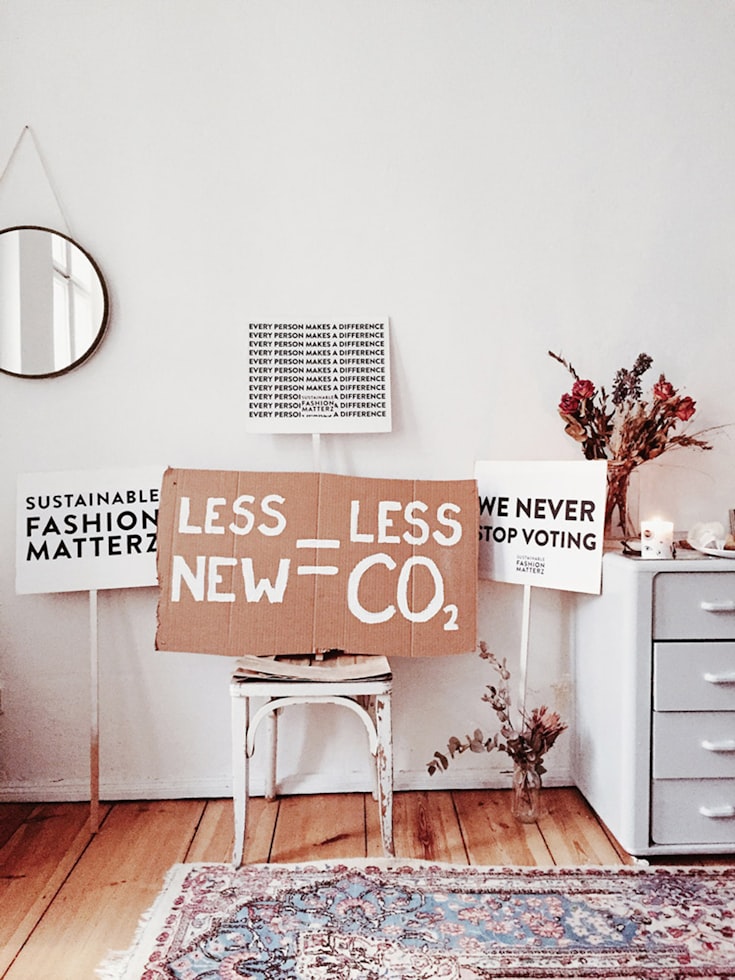

The fashion industry is one of the biggest polluters across the globe, impacting not only human health but also the environment. The regular production of clothing that is not eco-friendly has been causing severe problems for the planet. However, a shift towards eco-friendly clothing has offered a ray of hope in reducing the fashion industry’s impact through sustainable and environmentally friendly fashion.
Eco-friendly fashion has become a buzzword in recent years as creators and consumers alike become more conscious of the environmental impact of what they wear. After all, eco-friendly fashion is all about creating high-quality products that are made from environmentally responsible materials. The trend towards a more sustainable and eco-friendly fashion industry has significant impacts on our environment, from reducing carbon emissions to utilising more natural materials.
Eco-friendly clothing items are made using sustainable materials and production processes, which reduces their impact on the environment. These materials include recycled materials, natural fibres, and biodegradable fibres. The use of such materials hugely benefits the environment while also giving back to the community as the production process also involves local communities from where the sustainable materials are sourced.
From shopping bags to clothing, environmental sustainability has taken hold across the fashion industry. Environmental concerns seem to influence shopper behaviour as a growing market for eco-friendly clothing follows the trend. Given the rise of eco-consciousness, Fashion brands are also motivated to make more sustainable and environmentally responsible fashion products to meet this demand.
As the fashion industry grows, so does the need for eco-friendly clothing, thus leading to a drop in pollution levels, and a more sustainable industry. In addition, the growing trend of ethical fashion is not only benefiting the environment, it is also seeing more industries, such as tourism, adopt sustainable practices. Moreover, eco-friendly clothing has become accessible and affordable, leading to a broader audience being able to embrace the sustainable fashion trend, ultimately reducing the industry’s carbon footprint.
As the fashion industry continues to evolve post-COVID-19, more and more companies are leaning towards eco-friendly clothing to reduce their environmental impact. It is critical to recognise that although sustainable fashion is a step towards having a more eco-friendly environment, there is still much to be done to ensure that the industry does not have a lasting negative effect on our planet. By embracing eco-friendly clothing, both companies and individuals can contribute towards a better, greener future.
In conclusion, the growth of the eco-friendly clothing industry is highlighting the industry’s positive impact on protecting the environment, one dress, one t-shirt, one purchase at a time. Whether eco-friendly clothing is your priority or not, it is essential to understand how your purchases are affecting the world we live in. As we move forward, it is essential for all of us to recognise the role we play in protecting our planet through our daily choices, including what we wear.
Introduction
Introduce the topic and why it is important to talk about the impact of eco-friendly clothing on the environment. Briefly explain what eco-friendly clothing is and its benefits.
Water Consumption and Pollution
Explain how the fashion industry contributes to water consumption and pollution, and how eco-friendly clothing reduces the impact. Highlight the use of sustainable materials like organic cotton and recycled polyester, which require less water to produce and prevent harmful chemicals from leaching into the water supply.
Reduced Carbon Footprint
Explain how the production of conventional clothing contributes to carbon emissions, and how eco-friendly clothing reduces the carbon footprint. Discuss how the use of renewable energy sources and sustainable practices in production reduces greenhouse gas emissions.
Reduced Waste and Landfill
Explain how fast fashion contributes to waste and landfill, and how eco-friendly clothing reduces waste. Highlight the use of recycled materials and circular design practices that prioritize resource efficiency and product durability, ultimately reducing the amount of clothing in landfills.
Positive Social Impact
Explain how the production of conventional clothing can have negative social impacts, and how eco-friendly clothing can support fair labor practices and promote positive social impact. Highlight certifications like Fair Trade and B Corp that ensure ethical production and support workers’ rights.
Consumer Behavior and Education
Explain how consumer behavior affects the environmental impact of clothing production, and how education about sustainable fashion can encourage positive change. Discuss the importance of conscious consumption, care for garments, and the role of the fashion industry and media in promoting sustainable fashion practices.
Conclusion
Summarize the main points made throughout the article and emphasize the importance of promoting eco-friendly clothing for a more sustainable future. Encourage readers to make conscious choices when purchasing clothing and support ethical and sustainable fashion brands.
Summary
The fashion industry is a major contributor to pollution and environmental damage. However, the trend towards eco-friendly clothing is providing hope for a more sustainable and environmentally responsible fashion industry. Eco-friendly clothing is made using sustainable materials and production processes that have a reduced impact on the environment. This trend has significant impacts on the environment, from reducing carbon emissions to utilizing more natural materials. As the demand for eco-friendly clothing grows, more companies are incorporating sustainable practices, leading to a drop in pollution levels and a more sustainable industry. Ultimately, embracing eco-friendly clothing can contribute to a greener future for all.

FAQ
What is eco-friendly clothing and how does it impact the environment?
Eco-friendly clothing refers to garments that are made from sustainable materials, such as organic cotton, hemp, bamboo, and recycled polyester. They incorporate sustainable production practices, such as using low-impact dyes and reducing water and energy use. This helps to minimize the negative impact of the fashion industry on the environment. Eco-friendly clothing also promotes the use of natural and non-toxic materials, which reduce the consumption of harmful chemicals, pesticides and synthetic fibers that are used in conventional textile production. This leads to a reduction in carbon footprint and greenhouse gases, as well as less waste and pollution.
How can eco-friendly clothing contribute to reducing our carbon footprint?
The production of conventional clothing has a major impact on the environment, from its cultivation and processing of materials to its transportation and distribution. The use of sustainable and eco-friendly materials can significantly reduce the carbon footprint of clothing production. Materials such as organic cotton and bamboo require less water and energy than conventional cotton, and do not rely on harmful chemicals or pesticides. Using recycled polyester and other sustainable materials reduces the waste generated by the fashion industry. Adopting circular fashion models where clothing is repurposed, repaired, or recycled, significantly reduces waste and carbon footprint. By wearing eco-friendly clothing, we can reduce our carbon footprint and help protect the environment.
How can we ensure that our clothing is truly eco-friendly and sustainable?
To ensure that our clothing is truly eco-friendly and sustainable, it’s important to look for certifications from reputable organizations such as the Global Organic Textile Standard (GOTS), Fair Trade Certification, and the Sustainable Apparel Coalition (SAC). Look for labels that indicate the use of eco-friendly materials and low-impact production practices. Avoid fast fashion and opt for high-quality clothing with longevity. Support companies that employ sustainable and ethical practices throughout their supply chain. By being a conscious consumer, we can make a significant contribution in reducing the environmental impact of the fashion industry.
How can the widespread adoption of eco-friendly clothing contribute to a more sustainable future?
The widespread adoption of eco-friendly clothing is crucial in reducing the negative impact of the fashion industry on the environment. This will lead to a significant reduction in greenhouse gas emissions and waste, as well as the conservation of water and energy resources. The production of eco-friendly clothing is also more ethical and reduces the exploitation of labor and natural resources. Supporting sustainable and ethical companies helps to establish a demand for more eco-friendly products, which can encourage innovation, reduce costs, and drive a more sustainable future for the fashion industry. By choosing eco-friendly clothing, we can create a collective impact that supports a more sustainable future.