
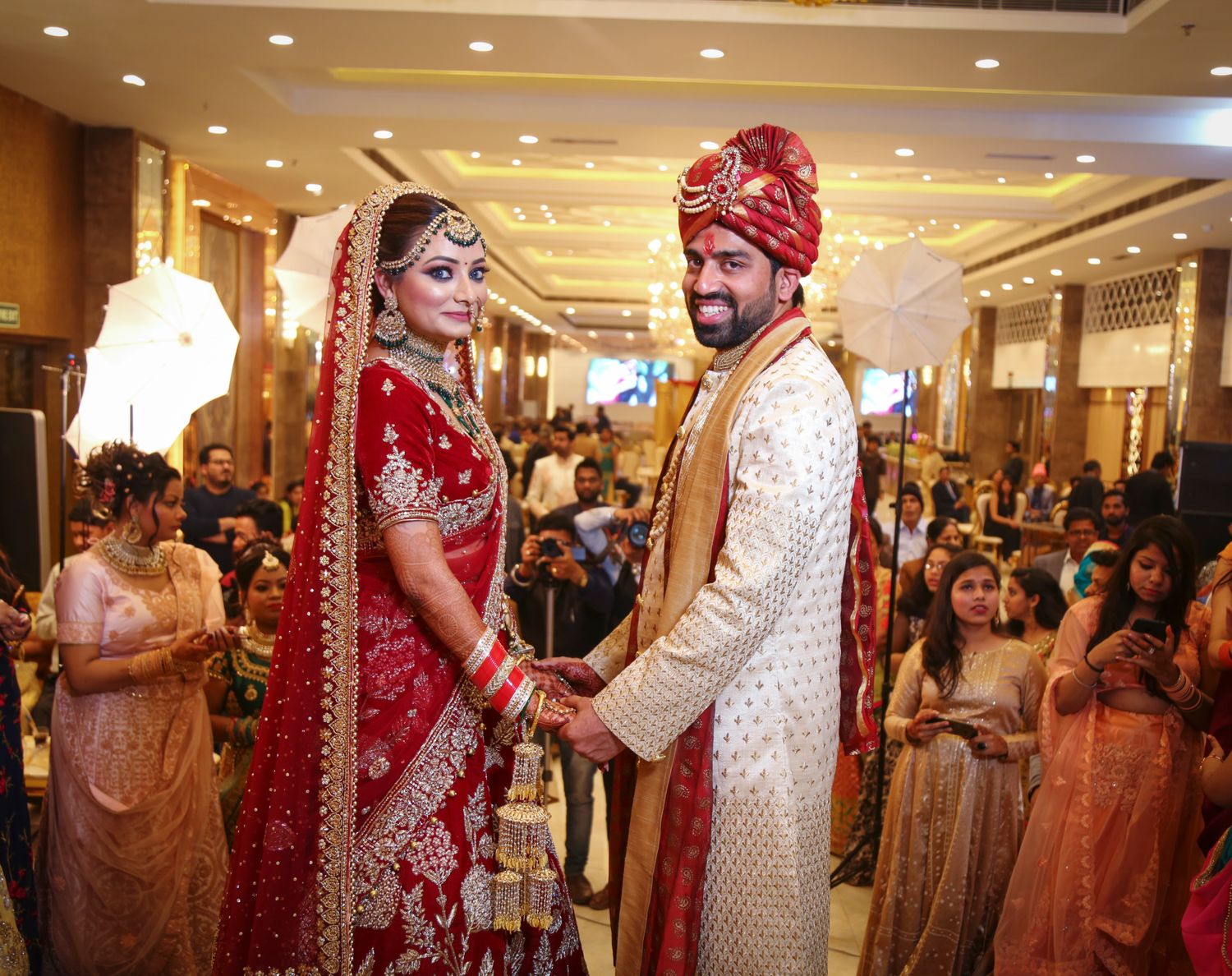
When it comes to the grandeur of Indian weddings, it is difficult to find any other occasion that can match their extravaganza. The rich cultural heritage and traditions of India are beautifully reflected in every aspect of these ceremonies. However, there’s no denying that traditional Indian weddings can be overwhelming, especially for those who are not familiar with the customs and etiquette. But don’t worry, because we’ve got you covered. In this article, we will take you on a journey through the customs, traditions and etiquette of Indian weddings.
The first thing to know about an Indian wedding is that it is not just one event, but rather a series of events that can last for several days. These events include the engagement ceremony, the mehndi ceremony, the sangeet ceremony, the wedding ceremony, and the reception. Each event comes with its own set of customs and traditions, making it a unique experience.
During an Indian wedding, families and friends come together to celebrate the union of two people. It is a time for happiness, laughter, and creating memories that will last a lifetime. Typically, the wedding ceremony takes place in front of a holy fire, with the bride and groom making vows and exchanging rings. Various other rituals are performed during the ceremony, such as the exchange of garlands, the tying of the mangalsutra, and the giving of gifts.
One of the most unique aspects of Indian weddings is the dress code. It is customary for both men and women to dress in traditional attire. Men usually wear a sherwani or a kurta with pajama, while women wear a saree or a lehenga. The bride’s attire, in particular, is usually very ornate and intricate. It is also common for guests to wear bright, colorful clothing to reflect the joyous occasion.
Indian weddings are also known for their delicious food. Typically, a wide variety of vegetarian and non-vegetarian dishes are served, ranging from appetizers to desserts. It is considered rude to decline food when it is offered, and it is recommended to try a little bit of everything.
One of the most important things to remember while attending an Indian wedding is to be respectful of the customs and traditions. For example, it is customary to remove your shoes before entering the wedding venue, and to dress modestly. Additionally, it is polite to bring a gift for the couple, usually in the form of cash or a gift card.
In conclusion, Indian weddings are a beautiful celebration of love, culture, and traditions. They are known for their colorful attire, delicious food, and joyous atmosphere. By understanding the customs and etiquette that come with these celebrations, you can fully immerse yourself in the experience and make it a truly memorable one. So, get ready to dance, eat, and celebrate!
Introduction
Indian weddings are elaborate and colorful affairs that are full of excitement, rituals, and traditions. From pre-wedding ceremonies to post-wedding rituals, Indian weddings are a complex affair. If you have been invited to an Indian wedding or if you are planning to attend one, understanding the customs and etiquette can help you enjoy the celebrations to the fullest.
Pre-Wedding Ceremonies
Indian weddings usually start with pre-wedding ceremonies that include engagement, haldi, sangeet, and mehendi. Engagement is a formal ceremony where the bride and groom exchange rings in the presence of family and friends. Haldi is a ceremony where a mixture of turmeric, sandalwood, and other ingredients are applied to the bride and groom. The sangeet is a musical night where the families of the bride and groom enjoy dancing and singing. Mehendi is a ceremony where the bride and other women of the family adorn their hands with intricate henna designs.
The Wedding Day
The wedding day is the main event of an Indian wedding, and it usually takes place in the morning. The bride and groom exchange vows in the presence of the priest, and the wedding rituals include kanyadaan, pheras, and sindoor. Kanyadaan is a ritual where the bride’s father gives her hand to the groom. Pheras are a set of seven rounds around a sacred fire, and sindoor is applied by the groom on the bride’s forehead to signify their union.
The Reception
The reception is usually held in the evening after the wedding ceremony, and it’s a time to celebrate the union of the couple. The bride and groom usually wear western outfits, and the event is a formal affair. The reception includes dinner, music, and dancing.
Dress Code
Indian weddings are known for their elaborate and colorful outfits. The bride wears a traditional bridal outfit, which usually includes a lehenga, saree or salwar kameez. The guests are expected to dress appropriately, and it’s a good idea to ask the hosts about the dress code.
Gifts
Gifts are an essential part of Indian weddings, and it’s customary for guests to bring a gift for the couple. The wedding invitation usually mentions the preferred gifts or a wedding registry. Cash is also a common gift at Indian weddings, and it’s given in an envelope or a decorated box.
Conclusion
Attending an Indian wedding can be an enriching experience, and understanding the customs and etiquette can help you enjoy the celebrations to the fullest. Whether it’s the pre-wedding ceremonies or the wedding day, each ritual has its significance and meaning. Dressing appropriately, bringing a gift, and respecting the customs can help you participate in the celebrations and create memories that will last a lifetime.
Summary
Traditional Indian weddings are known for their grandeur and cultural significance. They typically last several days, encompassing events such as an engagement ceremony, mehndi ceremony, sangeet ceremony, wedding ceremony, and reception. The wedding ceremony itself is performed in front of a holy fire and involves various rituals such as exchanging rings and garlands, tying the mangalsutra, and giving gifts. Dress codes are strictly traditional with men typically wearing a sherwani or kurta and women wearing a saree or lehenga. Indian weddings are also known for their delicious vegetarian and non-vegetarian food; it is considered polite to try everything offered and to dress modestly while observing custom and etiquette.

FAQ
What is the dress code for attending an Indian wedding?
Attire for Indian weddings will depend on the bride and groom’s religion or region. Women are commonly seen in sarees, salwar kameez, or lehengas. A saree is a long garment draped over the body, salwar kameez is a loose fitting top and bottom combination, and lehenga is a long skirt worn with a blouse and dupatta. For men, a traditional kurta pajama may be worn or a three-piece suit is acceptable. Guests are advised to avoid wearing white or black as they are the colors of mourning.
Who pays for the wedding festivities?
Typically, the bride’s family handles the majority of the expenses. This custom originated from the old tradition of the bride’s family providing the dowry, including gifts to the groom’s family. However, in modern times it has become more common for both families to split the expenses. It is important for both families to discuss and agree upon the financial responsibilities beforehand to avoid any misunderstandings.
Are gifts expected at an Indian wedding?
Gifts are not mandatory, but it is customary to give them as a sign of blessing and appreciation for the couple. Money is the commonly preferred gift as it allows the couple to use it towards a down payment for a house or honeymoon expenses. It is also common to give gold or silver items such as jewelry or coins. In some regions, it is customary for the groom’s family to gift the bride with a wedding trousseau, including clothes, makeup, jewelry, and gifts.
What kind of food is served at an Indian wedding?
The type of food served will depend on the region and religion of the couple. In North India, a typical wedding meal would consist of chicken or lamb curry, biryani, dal makhani (a lentil dish), naan bread, and various vegetarian dishes. In South India, a traditional wedding meal might include a variety of rice dishes, sambar (vegetable stew), rasam soup, and traditional sweets like Mysorepak or laddoos. In most regions, it is traditional for the food to be served buffet-style, and guests will be encouraged to help themselves as many times as they wish.


