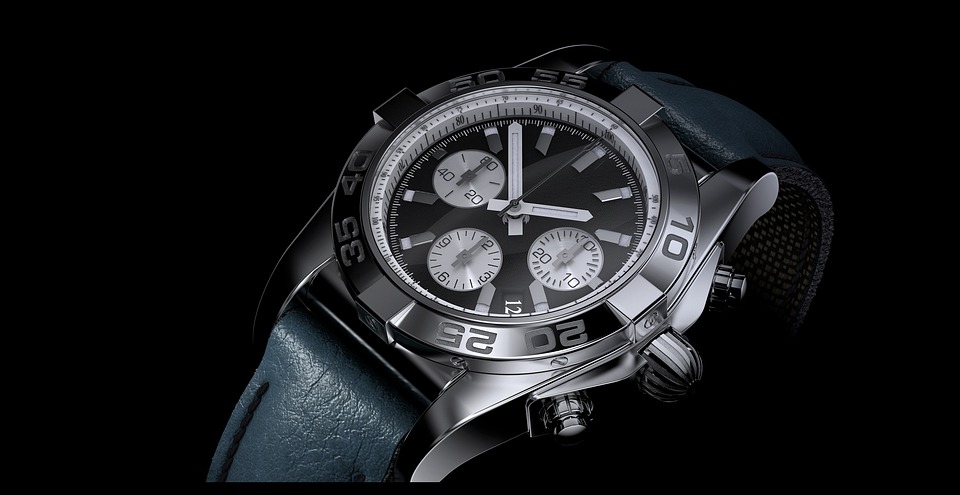

Wristwatches were introduced in the late 19th century as an alternative to pocket watches. Initially, they were mostly worn by women as decorative accessories, but as technology advanced, practicality took over and wristwatches became a staple for men and women alike. Over the years, wristwatches have gone through numerous changes in design and functionality, from classic to contemporary styles. This evolution of wristwatches reflects the changing needs and tastes of society, the technological advancements, and the influence of fashion and culture.
One of the earliest forms of wristwatches was the pocket watch adapted for the wrist. These watches were made with wide leather straps that wrapped around the wrist and connected to the watchcase. They were popular with women who wanted a practical yet elegant accessory that would not interfere with their clothes while dancing or performing daily tasks. However, these early wristwatches were not waterproof and were prone to damage from moisture.
Around the same time, military forces started to use wristwatches to synchronize operations during World War I. Soldiers needed a reliable and robust watch that could withstand harsh conditions and had features like luminous hands for easier reading in low light. This led to the development of trench watches, which featured large dials, metal cases, and lugs to accommodate leather straps.
The 1920s marked the beginning of a new era for wristwatches, with the introduction of the dress watch. These watches were designed to complement formal attire and featured slim cases, clean dials, and leather straps. Brands like Cartier, Rolex, and Omega led the way in creating elegant and sophisticated watches for the affluent class. This led to the rise of the luxury watch industry, which would shape the future of wristwatches.
In the 1950s and 1960s, wristwatches started to become more practical and functional with the use of innovative materials and technologies. For instance, dive watches were introduced with water-resistant features and rotating bezels for measuring elapsed time. Sports watches also became popular with features like chronographs and tachymeters used for measuring speed and timing.
The 1970s saw the emergence of electronic watches, powered by quartz technology. These watches were highly accurate and affordable, making them accessible to a broader audience. By the 1980s, quartz watches had dominated the market, and mechanical watches became a niche product. However, the mechanical watchmaking industry continued to innovate and create watches with complications like calendars and moon phases.
The 21st century has seen wristwatches evolve into smartwatches, a hybrid of traditional watches and advanced technologies. Smartwatches are designed to track fitness, monitor health, and connect to smartphones, among other features. However, traditional wristwatches remain popular, with the resurgence of vintage styles and the growing interest in artisanal watchmaking.
Wristwatches have come a long way from their humble beginnings as decorative items to becoming essential tools for everyday life. Their evolution reflects not only the advancements in technology and design but also the changing needs and preferences of society. From classic to contemporary, wristwatches will continue to transform and inspire generations to come.
Wristwatches have come a long way since they were first invented in the early 19th century. Back then, they were considered a luxury item and were only worn by the wealthy. They were also large and often had to be carried in pockets. Today, however, watches are an essential accessory for people from all walks of life, with a wide range of styles and designs to choose from.
The First Watches
The first wristwatches were made in the early 19th century and were essentially miniature versions of pocket watches that were attached to bracelets. However, they were not very practical, as they were often fragile and unreliable. It was not until the 20th century that wristwatches became more practical, thanks to the development of more accurate movements and durable materials.
The Classic Period
The period between the 1920s and the 1970s is considered the classic period for wristwatches. During this time, many of the most iconic watch designs were created, with features such as simple yet elegant dials, thin profiles, and leather straps. Watches from this period often reflected the Art Deco and modernist design movements of the time, and many are still popular today.
The Quartz Revolution
In the 1970s, the quartz revolution transformed the watch industry. Quartz watches are powered by battery-operated movements, which are more accurate and reliable than traditional mechanical movements. They also allowed for the creation of less expensive watches with mass-market appeal.
Luxury Watches
While quartz watches resulted in more affordable and accurate timepieces, luxury watches continued to be made with traditional mechanical movements, many of which are still made entirely by hand. These watches often command high prices and are typically made from precious metals and other high-quality materials.
Smart Watches
The rise of technology has led to the creation of smartwatches that combine traditional watch functions with features such as fitness tracking, GPS, and smartphone integration. These watches have become increasingly popular in recent years, particularly among younger consumers.
Contemporary Designs
Today, watchmakers continue to innovate with new designs and materials. Contemporary watches feature all kinds of styles, from retro designs that hark back to the classic period to cutting-edge designs that incorporate new materials and technologies. Some watches are also designed to be more sustainable or environmentally friendly, reflecting the growing concern for sustainability in society as a whole.
Summary
Wristwatches started out as decorative items for women, but as technology advanced, they became a practical necessity for both genders. They have gone through numerous design and functionality changes due to societal needs, technological advancements, and fashion and culture’s influence. The evolution of wristwatches began with simple adaptations of pocket watches to the wrist and military use. Luxury watches for formal wear emerged in the 1920s. The 20th century saw practical watches emerge with the introduction of dive and sports watches and quartz technology. The 21st century brought the emergence of smartwatches, but traditional wristwatches remain popular today.

FAQ
What are some of the main differences between classic and contemporary wristwatches?
Classic wristwatches often feature analog movements and simple designs, while contemporary watches may incorporate digital displays and a range of functions like GPS, heart rate monitors, and activity tracking. Classic watches also tend to have smaller faces and simpler, more traditional straps or bands, while contemporary watches may have larger faces and more unconventional materials like silicone or stainless steel.
Another key difference between classic and contemporary watches is their price point. Classic watches are often considered luxurious items and can be quite costly, while contemporary watches can range from affordable to very expensive depending on the brand and technology incorporated.
What was the motivation behind the evolution from classic to contemporary wristwatches?
The emergence of new technologies and materials played a significant role in the evolution of wristwatches. Classic watches were once the height of technology, but as electronic components became smaller and cheaper, watchmakers were able to incorporate more features than ever before. This led to the development of quartz movements, LED displays, and other technologies that paved the way for a range of functions that contemporary watches now offer.
Another significant factor in the evolution of wristwatches has been changing fashion trends. As people seek to express their individual styles and preferences, watchmakers have responded with a variety of unique designs, colors, and materials that cater to a wide range of tastes.
Are classic watches still relevant in modern times?
Despite the rise of contemporary wristwatches, classic watches remain relevant and highly prized. Many watch enthusiasts appreciate the timeless elegance and craftsmanship of classic watches, and consider them valuable pieces of jewelry and art. Classic watches are often seen as a statement of refinement and taste, and can be passed down from generation to generation as cherished family heirlooms.
In addition, classic watches offer a welcome respite from the information overload of modern life. While contemporary watches may provide a wealth of information at a glance, classic watches offer a simple elegance that can be refreshing and calming in the midst of the digital chaos.
Can you predict what the future holds for wristwatches?
The future of wristwatches is difficult to predict, but many experts believe that the trend towards smartwatches and wearable technology will continue to grow. As technology continues to advance, we may see even more innovative and versatile wristwatch designs that incorporate new features like augmented reality, voice recognition, and even health monitoring capabilities.
However, there is also a likelihood that classic watches will continue to hold a significant place in the market. While technology can offer many benefits, it cannot replace the timeless appeal of finely crafted watches and the sense of tradition and heritage they represent. In this way, it seems likely that both classic and contemporary wristwatches will have a place in the future of watchmaking.