
India is a land of vibrant colors and rich cultural heritage, and its traditional clothing is no exception. From the colorful sarees of the south to the elaborate ghagras of the north, the traditional clothing of India is a reflection of the country’s rich history and culture. From the ancient times to the present day, traditional Indian clothing has been an integral part of the country’s culture and identity.
The traditional clothing of India is a reflection of its culture and history. From the bright and vibrant colors of the saris and salwar kameez to the intricate embroidery and embellishments, each piece of traditional clothing is a work of art. The traditional clothing of India is also a reflection of its diverse geography and climate. Different regions have their own unique style of clothing, which is a reflection of the local culture and the environment.
The traditional clothing of India is also a reflection of its religious and spiritual beliefs. The traditional clothing of India is often adorned with intricate motifs and designs that are symbolic of the country’s spiritual and religious beliefs. From the intricate designs of the sari to the vibrant colors of the ghagras, traditional Indian clothing is a reflection of the country’s deep spiritual and religious roots.
The traditional clothing of India is also a reflection of its social and cultural values. From the intricate embroidery and embellishments of the sari to the elegant drapes of the salwar kameez, traditional Indian clothing is a reflection of the country’s social and cultural values. It is also a reflection of the country’s economic status, as the fabrics used to make traditional clothing are often expensive and only available to the wealthy.
The traditional clothing of India is a reflection of its rich cultural heritage and is a source of pride for many Indians. From the vibrant colors of the saris and salwar kameez to the intricate embroidery and embellishments, traditional Indian clothing is a reflection of the country’s deep cultural roots. It is also a reflection of its social and cultural values and its religious and spiritual beliefs. Exploring the rich heritage of Indian traditional clothing is a journey through the country’s vibrant history and culture.
Introduction
Indian traditional clothing has a long history and is steeped in culture and tradition. It is an integral part of Indian identity, and it is a powerful symbol of India’s rich heritage. Indian traditional clothing is an expression of the country’s diversity, from the vibrant colors and intricate designs to the different materials and fabrics. This article will explore the history and significance of Indian traditional clothing, and how it has evolved over the centuries.
History of Indian Traditional Clothing
Indian traditional clothing has its roots in the ancient Vedic period, when the people of India wore simple cotton garments. Over the centuries, as India’s culture and society evolved, so did its traditional clothing. During the Mughal period, the clothing became more elaborate, with intricate embroidery and elaborate designs. During the British Raj, Indian traditional clothing was heavily influenced by the Victorian style, and the sari became a popular choice for women.
Significance of Indian Traditional Clothing
Indian traditional clothing is not just a fashion statement, but a symbol of India’s rich heritage and culture. It is a reflection of India’s history, and it is a reminder of the country’s diversity. It is also a way for people to express their identity and show their pride in their culture.
Types of Indian Traditional Clothing
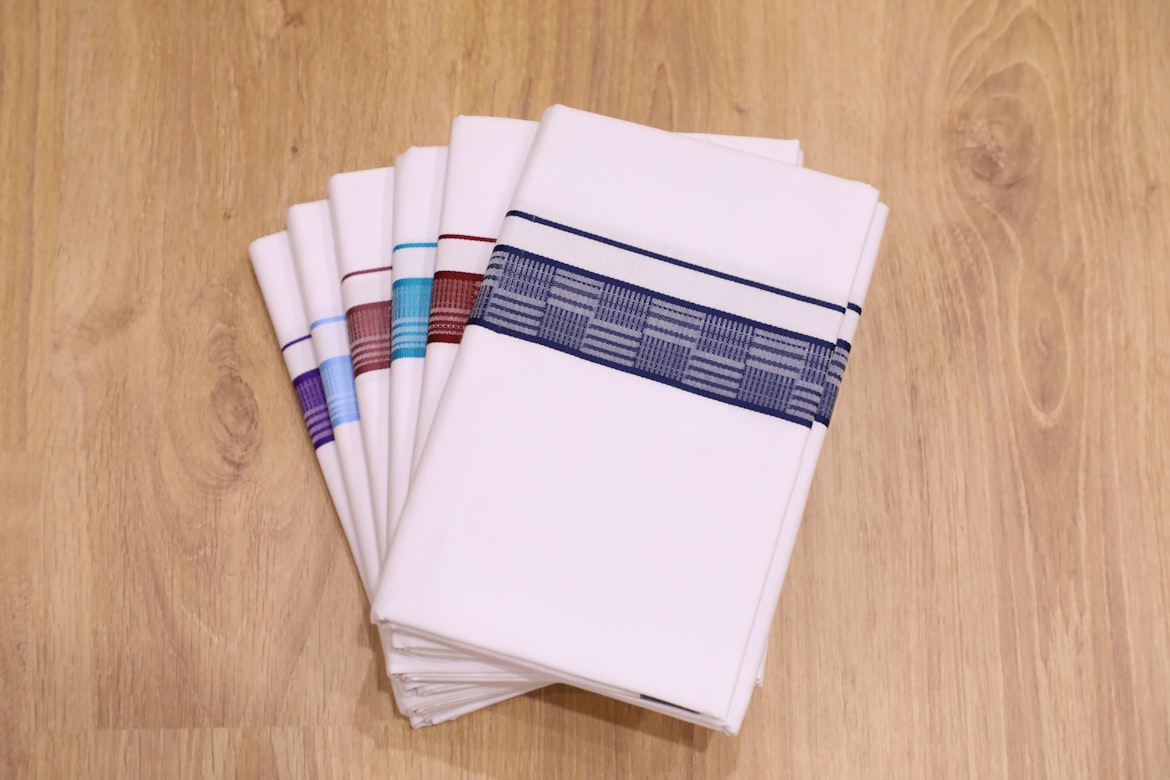
There are many different types of Indian traditional clothing, and each region has its own unique style. The most popular types of traditional clothing include the sari, salwar kameez, kurta, and dhoti. The sari is a long piece of cloth that is draped around the body, and it is often decorated with intricate embroidery and designs. The salwar kameez is a two-piece outfit consisting of a tunic and trousers, and it is popular in the northern regions of India. The kurta is a long, loose-fitting shirt, while the dhoti is a piece of cloth that is worn around the waist and legs.
Evolution of Indian Traditional Clothing
Indian traditional clothing has evolved over the centuries, and it has been heavily influenced by the different cultures and religions that have shaped India’s history. Today, traditional clothing is often combined with modern styles, and it is worn by people of all ages.
Conclusion
Indian traditional clothing is a powerful symbol of India’s rich heritage and culture. It is an expression of the country’s diversity, and it is a reminder of its long and varied history. It is also a way for people to express their identity and show their pride in their culture. Indian traditional clothing is an important part of India’s identity, and it is a reflection of its rich and vibrant culture.
FAQ
Q1. What is the history of Indian traditional clothing?
A1. Indian traditional clothing has a long and varied history. It dates back to the Indus Valley Civilization, where evidence of clothing made from cotton and wool have been found. Indian clothing has also been influenced by various invasions and conquests, including those of the Mughals and the British. Over the centuries, Indian clothing has evolved and adapted to the changing times, incorporating elements from each of these cultures and creating a unique style that is uniquely Indian. Today, Indian traditional clothing is a reflection of the country’s rich and diverse culture and heritage.
Q2. What are the different types of traditional Indian clothing?
A2. Traditional Indian clothing varies depending on the region and the occasion. For men, the most common type of traditional clothing is the dhoti, a long piece of cloth wrapped around the waist and legs. Women traditionally wear the sari, a long piece of cloth draped around the body and over the shoulder. There are also regional variations of traditional clothing, such as the salwar kameez, which is popular in northern India, and the lungi, which is worn in the south.
Q3. What fabrics are used to make Indian traditional clothing?
A3. Indian traditional clothing is made from a variety of fabrics, including cotton, silk, wool, and linen. Cotton is the most commonly used fabric for traditional clothing, as it is lightweight and breathable. Silk is often used for festive occasions, as it is associated with luxury and elegance. Wool is a popular choice for winter clothing, as it is warm and insulating. Linen is also used for traditional clothing, as it is lightweight and comfortable.
Q4. How can I care for my traditional Indian clothing?
A4. Traditional Indian clothing requires special care to ensure it lasts for many years. To keep your clothing in good condition, it is important to follow the care instructions provided by the manufacturer. For example, silk and wool garments should be hand-washed and dried away from direct sunlight. Cotton and linen garments should be washed in cold water and air-dried. It is also important to store your traditional clothing in a cool, dry place and to avoid direct contact with harsh chemicals such as bleach.