
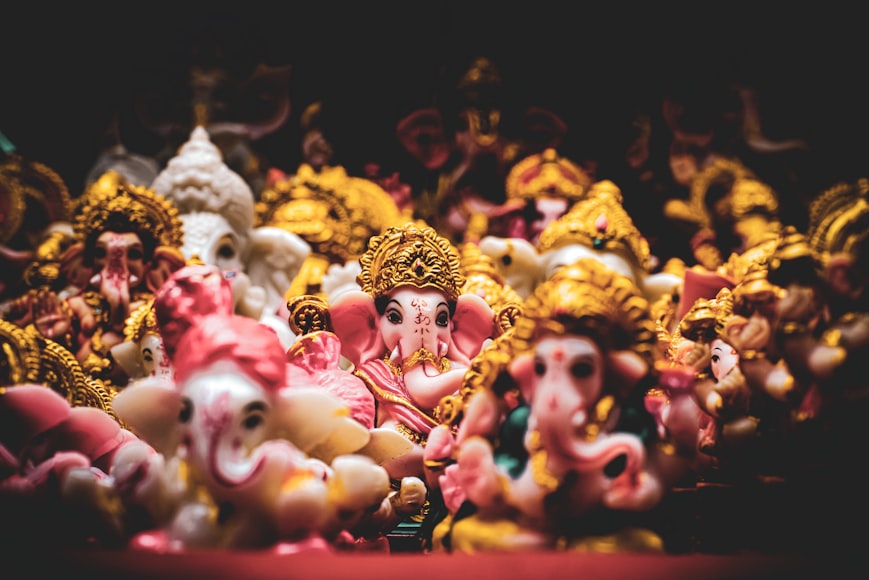
India, the land of diversity, has always been a country of rich cultural heritage. The country boasts of a glorious past that is rooted in the culture and traditions of the land. India is home to a plethora of historical monuments, archaeological sites, beautiful temples, vibrant festivals, and colorful people. Exploring India’s rich cultural heritage is an experience that can be both breathtaking and insightful.
From the stunning Taj Mahal, one of the Seven Wonders of the World, to the ancient ruins of Hampi, India’s architectural marvels are a testament to the country’s rich cultural heritage. The intricate carvings on the temples and palaces showcase the unique mix of Indian and foreign influences that have shaped the cultural identity of the country. Visiting these monuments is like embarking on a journey through time that allows one to relive the glorious bygone era.
India is also famous for its colorful and vibrant festivals. The festivals are a reflection of the country’s diverse culture, traditions, and customs. From Holi, the festival of colors, to Diwali, the festival of lights, each festival is a unique celebration that brings people together. During these festivals, the streets are adorned with bright lights, colorful decorations, and mouth-watering food stalls, creating a lively and festive atmosphere.
India’s rich cultural heritage is not just limited to its monuments and festivals. Its art and craft are equally magnificent. Indian art, be it painting, sculpture, or handicrafts, is known for its intricate details and vibrant colors. Traditional crafts like pottery, weaving, and embroidery have been passed down from generation to generation and continue to be practiced even today.
The diversity of India’s cultural heritage is also reflected in its cuisine. The country’s cuisine is as varied and vast as its people. From the famous street food of Mumbai to the rich biryanis of Hyderabad, each state in India has its unique culinary traditions. The flavors, aromas, and spices used in Indian cuisine are a reflection of the country’s roots, history, and geography.
Exploring India’s rich cultural heritage is not just a way of experiencing the country’s past but also an opportunity to connect with its present. The people of India are warm, welcoming, and always ready to share their traditions and customs with visitors. It is through their eyes that one can truly understand and appreciate the beauty and diversity of India’s cultural heritage.
In conclusion, exploring India’s rich cultural heritage is a journey that promises to be both fascinating and enlightening. It is a journey that takes one through time, introduces us to diverse traditions, cultures, and customs, and teaches us the value of unity in diversity. It is a journey that deserves to be experienced by anyone who loves to explore and learn about different cultures.
Introduction
India is a land of diverse cultures that are reflected in its rich heritage. Exploring India’s cultural heritage is an exhilarating experience that involves immersing oneself in art, music, literature, and food.
Art
Art is an integral part of India’s cultural heritage. Indian art reflects the country’s rich history and diverse culture. From cave paintings to contemporary artworks, India’s art scene is diverse and fascinating. Traditional art forms like painting, sculpture, and textiles still remain popular in India, and many artists continue to use these techniques to express their creativity.
Music
Music is another vital aspect of India’s cultural heritage. Indian classical music has a long and rich history, and it is still widely respected and practiced today. The country also has a vibrant folk music scene, with regional styles and instruments that vary across the country. Indian music has influenced other cultures and is a significant part of the world’s musical heritage.
Literature
Indian literature is diverse, with works dating back thousands of years. Ancient epics like the Ramayana and Mahabharata are still widely read today, and contemporary Indian authors have made a significant impact on the world of literature. India’s literary scene is incredibly varied, with works that cover a vast range of topics and genres.
Food
India’s cuisine is known for its rich and diverse flavors. Different regions of the country have distinct culinary traditions, and Indian food has influenced other cuisines around the world. From spicy curries to delicious sweets, Indian food offers something for every palate.
Festivals
India is famous for its festivals, which are an essential part of the country’s cultural heritage. From Diwali to Holi, each festival has its unique traditions and rituals. Festivals are an excellent opportunity to immerse oneself in Indian culture and indulge in traditional food, music, and dance.
Conclusion
India’s rich cultural heritage is a testament to the country’s diverse history and traditions. Exploring India’s art, music, literature, food, and festivals is a fascinating experience that can help one understand and appreciate the country’s unique heritage.
Summary
India’s rich cultural heritage is reflected in its historical monuments, vibrant festivals, art and craft, diverse cuisine, and welcoming people. The country’s architectural marvels are a unique mix of Indian and foreign influences, showcasing the glorious bygone era. The festivals reflect the country’s diverse culture and customs, with colorful decorations, lights, and food creating a festive atmosphere. Indian art and craft are known for their intricate details and vibrant colors, while the cuisine boasts of unique culinary traditions from each state. Exploring India’s cultural heritage is a journey through time and an opportunity to connect with its present, understanding the value of unity in diversity.

FAQ
What are some of the key cultural events and festivities that India celebrates?
India is a land of diverse cultures and traditions, and there is a rich calendar of cultural events and festivities that the country celebrates throughout the year. Some of the key celebrations include Diwali, the Festival of Lights, celebrated in late October or early November; Holi, the Festival of Colors, celebrated in March; Dussehra, a 10-day-long festival celebrating the victory of good over evil, observed in September or October; and Navratri, a nine-day festival dedicated to the worship of Goddess Durga, held in October or November. Other significant festivities include Eid, Christmas, and Buddha Purnima, among others.
In addition to these major celebrations, there are numerous cultural events and festivals celebrated regionally across various states in India. These events showcase the unique art forms, music, dance, and cuisine of specific regions and ethnic groups in the country, presenting a rich tapestry of India’s cultural heritage.
What are some of the major monuments and historic sites in India?
India has a rich history stretching back thousands of years, and the country is home to many world-famous monuments and historic sites. Among these, some of the most notable include the Taj Mahal, one of the world’s most famous landmarks, built by Mughal emperor Shah Jahan in the 17th century; the Red Fort in Delhi, a sprawling palace-fortress dating back to the 17th century; and the Qutub Minar, a towering minaret that is over 1,000 years old and is considered one of the finest examples of Indo-Islamic architecture.
Other historic sites in India include the Ajanta and Ellora Caves, a series of carved Buddhist temples and monasteries dating back to the 2nd century BCE; the ancient city of Hampi, a UNESCO World Heritage Site dating back to the 14th century; and the Konark Sun Temple, a 13th-century Hindu shrine dedicated to the sun god Surya. India’s many cultural and historic sites offer a glimpse into the country’s rich history and provide a fascinating window into its past.
What are some of the preeminent art forms and crafts in India?
India is renowned for its art and crafts, with a rich tradition of weaving, pottery, painting, sculpture, and many other forms of artistic expression. Some of the most notable art forms in India include textiles, such as beautiful silk sarees and intricate embroideries; miniature paintings with intricate details; beautiful carvings on wood and stone, such as the intricate temple carvings of South India; and metalwork, such as the intricate brassware of Uttar Pradesh.
In addition to these traditional art forms, there are many contemporary Indian artists whose work reflects the country’s rich cultural heritage, and who draw inspiration from the unique blend of tradition and modernity that is a hallmark of India today. Whether it is the intricate beadwork of the Zardozi embroidery, the vibrant colors of the Warli paintings of Maharashtra, or the beautiful lamp shades of the paper mache craft of Kashmir, there is something for everyone in India’s rich artistic heritage.
What are some of the traditional cuisines and delicacies in India?
India is renowned for its delicious cuisine, with a rich variety of dishes to suit every palate. Some of the most popular traditional cuisines in India include North Indian cuisine, with its rich curries and spicy tandoori dishes; South Indian cuisine, with its spicy vegetarian dishes and tangy sambar; and the coastal cuisine of Goa, with its delicious seafood curries and spicy vindaloos. Other traditional delicacies include the rich and creamy kormas, the biryanis and pulao dishes, and a whole host of mouth-watering desserts, such as the famous rasgulla, the delectable gulab jamun, and the luscious ras malai.
In addition to these traditional cuisines, there is also an emerging food scene in India, with a number of innovative chefs and restaurants pushing the boundaries of traditional Indian cuisine and experimenting with new flavors and cooking techniques. From modern interpretations of classic Indian dishes to fusion creations that blend Indian and international flavors, India’s food scene offers something for every taste bud.


