
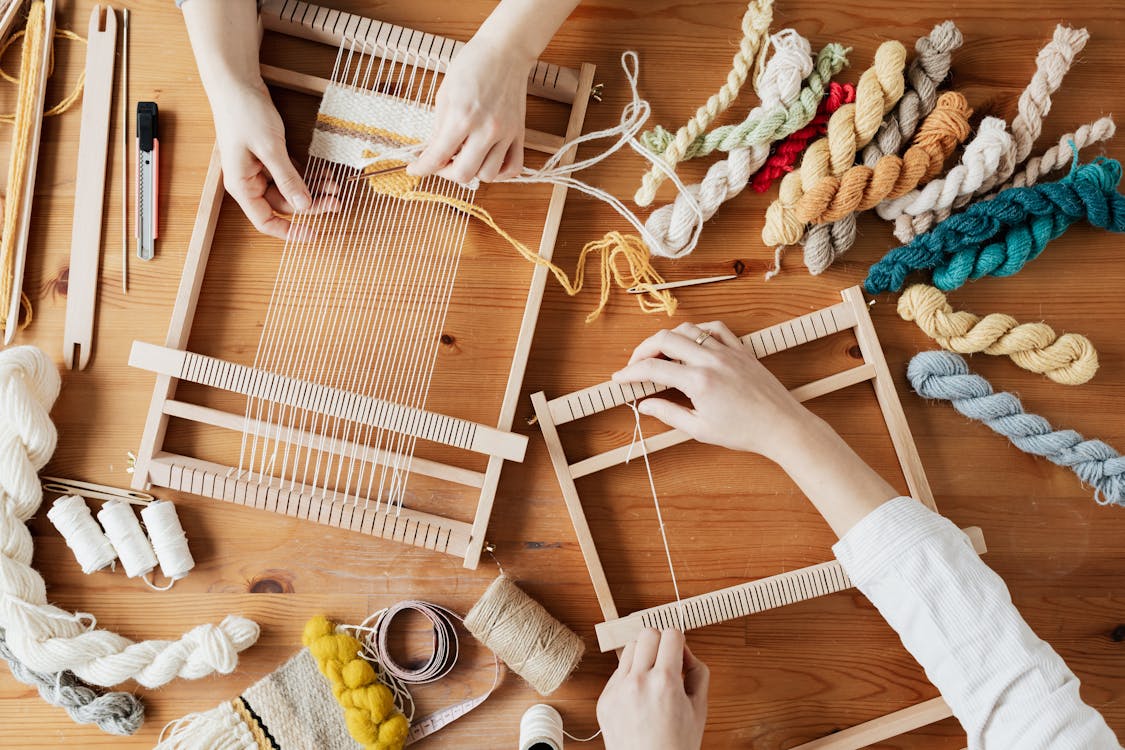
Weaving has been around for centuries, and it comes in many shapes and forms. Whether you are a beginner or an experienced weaver, learning about the various weaving techniques available can take your crafting to the next level. Understanding the basics of weaving and identifying the underlying principles of different techniques can help you develop your skills and produce stunning woven pieces. You don’t have to be an expert to explore weaving techniques. With the right tools, materials, and guidance, anyone can create beautiful woven fabrics, clothes, and accessories. So, let’s delve into the various types of weaving techniques and discover the one that suits your creativity best.
The weaving process involves interlacing two sets of threads, the warp (lengthwise) and the weft (crosswise), to create a fabric. The technique used varies based on how the warp and weft threads are interlaced. Some techniques use simple interlacing, while others involve intricate patterns and designs created by manipulating the threads. Essentially, weaving techniques can be classified into two groups: basic and complex. Basic weaving techniques include plain, twill, and satin weave. On the other hand, complex weaving techniques involve several interlacing patterns and designs that need more skill, time, and patience.
Plain weave, also known as tabby weave, is the simplest and most common method of weaving. It involves alternating warp and weft threads, resulting in a balanced and evenly woven fabric. Twill weave, on the other hand, is a more complex technique that involves weaving the weft threads over and under two or more warp threads. This creates a pattern of diagonal lines, giving the fabric a unique texture and appearance. Satin weave, the third basic weaving technique, involves weaving the weft threads over several warp threads before going under one, creating long floats on the surface of the fabric. This technique produces a smooth and lustrous material that is perfect for formal wear.
Complex weaving techniques, including overshot, double cloth, and lace weaving, require advanced skills and patience. Overshot weaving, for example, creates intricate designs by weaving a plain weave ground and then adding pattern threads reed by reed. Double cloth weaving involves weaving two layers of fabric at once and manipulating the pattern for each layer. The result is a reversible fabric that can contain multiple color combinations or designs. Lace weaving, meanwhile, involves creating patterns by controlling the movement of the warp threads.
Weaving is a craft that allows you to express your creativity while producing functional and beautiful pieces. Different weaving techniques offer an array of possibilities to experiment and create unique designs. Whether you prefer simple or complex techniques, it’s important to take the time to learn and practice before starting your project. With the right instructions, tools, and materials, you can master the art of weaving and produce stunning fabrics that you can use in clothing, decoration or any other project you may have in mind. It’s time to start weaving!
1. Plain Weave
Plain weave is the most basic and commonly used weaving technique. In this method, the weft yarn passes alternately over and under the warp yarn. The fabric produced is strong and durable, but it tends to wrinkle easily. Plain weave can be used to create a variety of fabrics, including cotton, wool, silk, and linen.
2. Twill Weave
Twill weave is recognized by a diagonal rib or twill line formed by the weft yarns that pass over one or more warp yarns. It produces a fabric that is more durable and resistant to wrinkles and stains than plain weave. Twill weave is used to make denim, gabardine, and chino fabrics.
3. Satin Weave
Satin weave is characterized by a smooth and lustrous surface with a soft and silky touch. The weft yarn passes over several warp yarns before going under one, resulting in long “floats” on the surface that give it its characteristic sheen. Satin weave is commonly used for evening gowns, lingerie, and bed sheets.
4. Dobby Weave
Dobby weave involves creating small, geometric patterns in the fabric by selectively raising or lowering individual warp yarns. It is often used to create texture and visual interest in textiles. Dobby weave fabrics can be made with any type of yarn and are used to make clothing, upholstery, and accessories.
5. Jacquard Weave
Jacquard weave is similar to dobby weave, but it has a more complex pattern that can be woven into the fabric itself. This allows for intricate designs, including floral prints, animal motifs, and logos, to be created without the need for additional printing. Jacquard weave is used for upholstery, drapery, and high-end fashion.
6. Herringbone Weave
Herringbone weave is a variation of twill weave that creates a chevron or V-shaped pattern in the fabric. It is typically used for wool and tweed fabrics, as well as for blankets and throws. Herringbone weave can also be used for decorative purposes, such as in tile flooring and wallpaper.
7. Leno Weave
Leno weave is a unique technique that creates a light, airy fabric with a loose, open weave. It is created by twisting the warp yarns around each other to hold the weft yarn in place. This technique creates a stable fabric that is perfect for bags, curtains, and mesh fabrics that need to be breathable.
Summary
Understanding weaving techniques can help you create stunning woven pieces, regardless of your experience level. There are two groups of techniques, basic and complex, the former including plain, twill, and satin weave, and the latter, overshot, double cloth, and lace weaving. Plain weave is alternating warp and weft threads, twill involves diagonal lines and satin produces a luxurious material. Complex weaving needs advanced skills and patience, creating patterns by manipulating threads. Whether you prefer a simple, or a more intricate weaving technique, understanding the principles can help you create functional and beautiful pieces, expressing your creativity with the right tools, materials and practice.

FAQ
What are the different types of weaving techniques?
Weaving techniques vary depending on the type of fiber used, the end result desired, and cultural traditions. The most common weaving techniques include plain weave, twill weave, satin weave, and dobby weave. Plain weave is the simplest and most common form of weaving, where warp and weft threads cross over and under each other to create a simple, checkerboard-like fabric.
Twill weave is more complex and creates a textured, diagonal pattern on the fabric. Satin weave produces a high-gloss, smooth surface on the fabric, while dobby weave allows for a variety of patterns and textures to be incorporated into the weave. In addition to these popular techniques, there are many other types of weaving methods, such as basket weaving, tapestry weaving, and rug weaving, each with its unique characteristics.
What materials can be used in weaving?
Traditionally, weaving involved the use of natural fibers such as cotton, wool, and silk. However, modern weaving techniques also incorporate synthetic materials such as polyester, nylon, and acrylic. Other materials that can be used include plant fibers like bamboo, jute, or hemp, as well as animal fibers like alpaca, mohair, or cashmere.
The choice of material depends on the intended purpose of the fabric, the desired texture and appearance, and personal preference. For example, wool is a popular choice for blankets and winter clothing because of its insulating properties, while cotton is often used for summer clothing because it is lightweight and breathable.
What tools are needed for weaving?
Different weaving techniques require different tools, but some of the essential tools include a loom, shuttle, warp and weft threads, and a beater. A loom is a frame used to hold the warp threads in place and keep the fabric tight while weaving.
A shuttle is used to pass the weft threads in and out of the warp threads, while a beater is used to push the weft threads close together to create a tightly woven fabric. Other tools that may be needed include a needle, scissors, and various accessories such as heddles, bobbins, and warping boards. These tools can be purchased in a kit or separately, depending on the type of weaving the user wants to do.
Can weaving be done by hand or by machine?
Weaving can be done by hand or by machine, depending on the desired outcome and the available resources. Hand weaving is a traditional art form that requires a loom and basic weaving tools. It can be time-consuming but allows for greater artistic freedom, and the final product is often more unique and of higher quality.
On the other hand, machine weaving is faster and more efficient, using mechanical looms programmed to weave a specific pattern. Machine weavers typically produce large quantities of fabric that are repeatable and consistent in quality. However, the range of patterns and textures is limited to the loom’s capabilities. Some weavers choose to use a combination of hand and machine techniques to achieve the desired result.


