
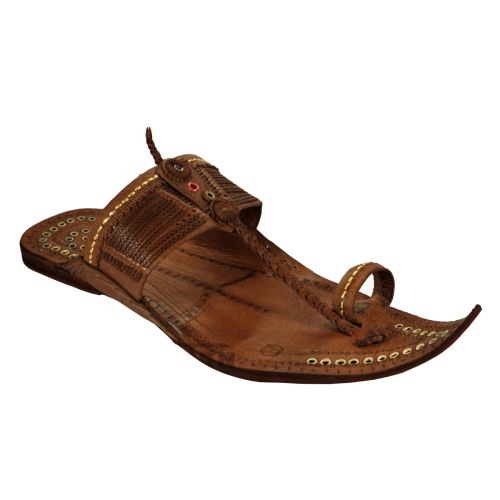
Footwear has been an integral part of human history since the dawn of time. From the earliest days of mankind, humans have used footwear to protect their feet from the elements and to make it easier to walk on rough terrain. In India, traditional footwear has a long and rich history, with a variety of styles and materials used to create beautiful and functional footwear.
The history of traditional Indian footwear can be traced back to the Indus Valley Civilization (3300-1300 BCE). During this period, the people of the Indus Valley wore a variety of sandals and shoes made from leather and other materials. These sandals and shoes were designed to protect the feet from the harsh environment and to make it easier to walk on rough terrain.
In the medieval period, the Mughals introduced a variety of new styles of footwear, including jutis, chappals, and kolhapuri chappals. These shoes were made from leather and decorated with intricate embroidery and beadwork. They were designed to be both functional and stylish, and were popular among the nobility and the general public.
In more recent times, traditional Indian footwear has seen a resurgence in popularity. Today, traditional styles such as jutis, chappals, and kolhapuri chappals are still worn by many people in India. These shoes are often made from leather and decorated with beautiful embroidery and beadwork. They are also available in a variety of colors and styles, making them perfect for any occasion.
From the ancient Indus Valley Civilization to the present day, traditional Indian footwear has been a part of the culture and history of the country. These shoes are a symbol of beauty, craftsmanship, and tradition, and have been worn by generations of Indians. Whether you are looking for a functional pair of shoes for everyday wear or a beautiful and unique pair for special occasions, traditional Indian footwear is sure to make a statement.
Ancient Times
In ancient times, the footwear of India was mainly made from leather and was decorated with intricate embroidery and patterns. The footwear was designed to protect the feet from the harsh environment and to provide comfort. They were also designed to be waterproof and to provide grip on the terrain. The footwear was usually made in the form of sandals, moccasins, and slippers.
The footwear was also used to show the status of the wearer. The more intricate the design, the higher the status of the wearer. The footwear was also used to indicate the profession of the wearer. For example, farmers wore sandals, while soldiers wore boots.
Step Back in Time: Exploring the Footwear of the Indus Valley Civilization
The Indus Valley Civilization, which thrived from 3300 to 1300 BCE, was a remarkable ancient civilization that left behind a rich cultural heritage. Among the many fascinating aspects of their lifestyle, one that stands out is their innovative and practical approach to footwear. Let’s take a closer look at the footwear of the Indus Valley Civilization and uncover the stories behind these ancient shoes.
1. Sandals: A Shield for the Feet

The people of the Indus Valley Civilization understood the importance of protecting their feet from the harsh environment and rough terrain. They crafted a variety of sandals that were both functional and aesthetically pleasing. These sandals were made from materials such as leather, plant fibers, and even wood. They were designed to provide comfort, support, and protection to the wearer’s feet.
2. Shoes with a Purpose

In addition to sandals, the Indus Valley people also wore shoes that were specifically designed for different purposes. For instance, they had shoes suitable for hunting and trekking, made with sturdy materials to withstand the rugged terrains they encountered. These shoes were often adorned with intricate patterns and designs, showcasing the craftsmanship of the civilization.
3. Leather: A Testament to Resourcefulness

Leather played a significant role in the creation of footwear in the Indus Valley Civilization. The people of this ancient civilization understood how to process animal hides and transform them into durable and comfortable shoes. Leather footwear provided protection against thorns, rocks, and other potential hazards, making it an essential part of their everyday lives.
4. Artistry and Ornamentation
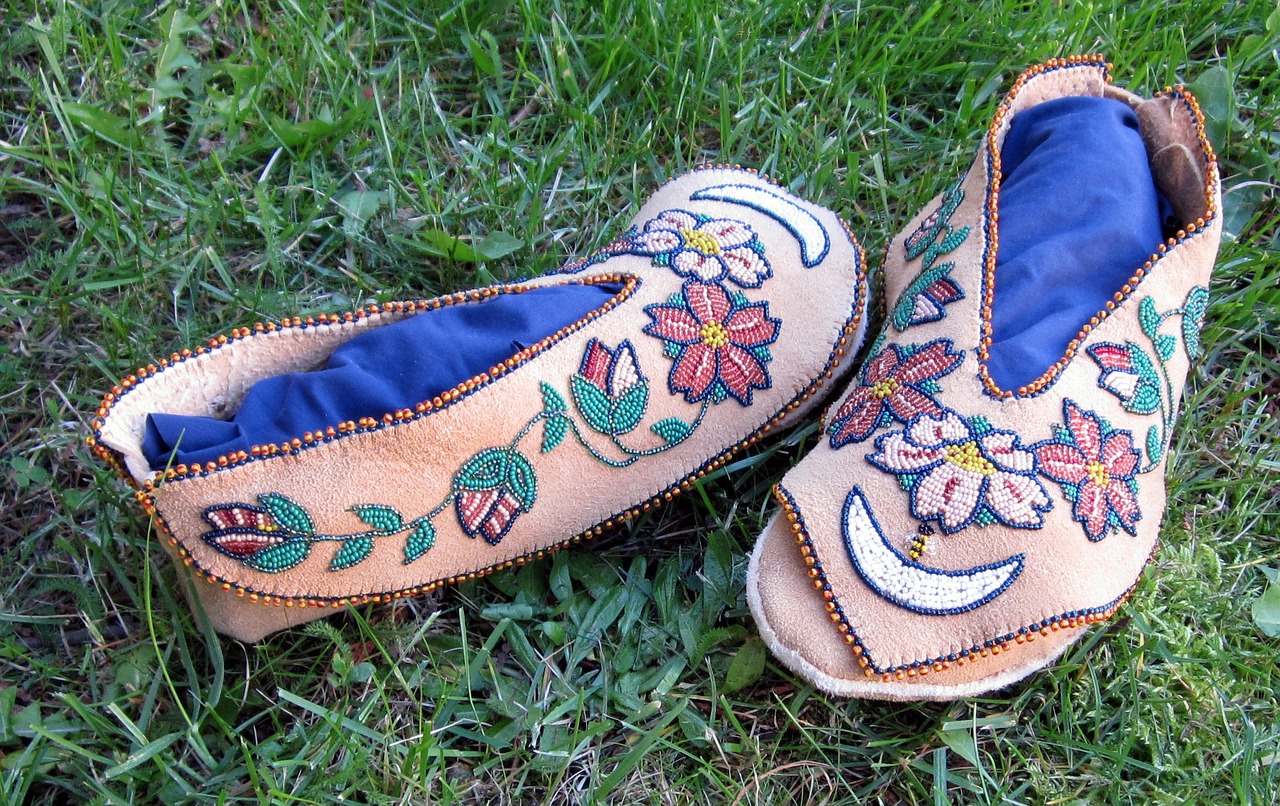
The footwear of the Indus Valley Civilization was not only practical but also showcased their artistic and creative prowess. Intricate embroidery, beadwork, and decorative patterns adorned many of their shoes. These embellishments were not only visually appealing but also reflected the cultural significance and beliefs of the civilization.
5. Resurgence in Modern Times

While the Indus Valley Civilization may be ancient history, their footwear styles have experienced a resurgence in popularity in recent times. Traditional Indian footwear, such as jutis, chappals, and kolhapuri chappals, draw inspiration from the footwear worn by the people of the Indus Valley. These modern interpretations retain the essence of the ancient designs, incorporating beautiful embroidery, beadwork, and vibrant colors.
The Emotional Connection
Exploring the footwear of the Indus Valley Civilization allows us to step back in time and connect with the people who lived thousands of years ago. It is a testament to their ingenuity, resourcefulness, and artistic expression. These shoes were not just practical items; they were an integral part of their culture and heritage.
As we embrace the beauty and craftsmanship of traditional Indian footwear, we are also paying homage to the generations before us. By wearing these shoes, we carry forward the stories and traditions of our ancestors, creating a bridge between the past and the present.
| Footwear Type | Materials Used | Purpose |
|---|---|---|
| Sandals | Leather, plant fibers, wood | Protection and comfort |
| Hunting Shoes | Sturdy materials | Hunting and trekking |
| Decorative Shoes | Leather, embroidery, beadwork | Aesthetics and cultural significance |
As we delve into the history of the Indus Valley Civilization and its footwear, we can’t help but feel a deep sense of admiration for the ancient craftsmanship and the lasting impact it has had on Indian culture. So, the next time you slip on a pair of jutis or kolhapuri chappals, take a moment to appreciate the rich heritage they represent and the connection they provide to our ancestors. Step back in time and let your feet carry you through the stories of the past.
Medieval Times
In medieval times, the footwear of India was mainly made from cotton and was decorated with colorful embroidery and patterns. The footwear was designed to be comfortable and to provide protection from the elements. The footwear was also designed to be lightweight and to provide grip on the terrain. The footwear was usually made in the form of sandals, moccasins, and slippers.
The footwear was also used to show the status of the wearer. The more intricate the design, the higher the status of the wearer. The footwear was also used to indicate the profession of the wearer. For example, farmers wore sandals, while soldiers wore boots.
Modern Times
In modern times, the footwear of India has evolved to include a variety of materials such as rubber, plastic, and synthetic fabrics. The footwear is designed to be comfortable and to provide protection from the elements. The footwear is also designed to be lightweight and to provide grip on the terrain. The footwear is usually made in the form of sandals, moccasins, and slippers.
The footwear is also used to show the status of the wearer. The more intricate the design, the higher the status of the wearer. The footwear is also used to indicate the profession of the wearer. For example, farmers wear sandals, while soldiers wear boots.
Contemporary Times
In contemporary times, the footwear of India has evolved to include a variety of materials such as rubber, plastic, and synthetic fabrics. The footwear is designed to be comfortable and to provide protection from the elements. The footwear is also designed to be lightweight and to provide grip on the terrain. The footwear is usually made in the form of sandals, moccasins, and slippers.
The footwear is also used to show the status of the wearer. The more intricate the design, the higher the status of the wearer. The footwear is also used to indicate the profession of the wearer. For example, farmers wear sandals, while soldiers wear boots.
Why Traditional Indian Footwear is More Than Just Fashion
Traditional Indian footwear holds a special place in the hearts of many. Its significance goes beyond mere fashion, as it represents the rich cultural heritage and history of India. These shoes are not just accessories; they are a symbol of tradition, craftsmanship, and the spirit of the people. Let’s explore why traditional Indian footwear is more than just fashion.
1. Cultural Heritage

Traditional Indian footwear has been passed down through generations, carrying the stories and traditions of our ancestors. Each pair of shoes reflects the unique craftsmanship and artistry of a particular region or community. From the vibrant colors of Rajasthan’s jutis to the intricate embroidery of Punjab’s mojaris, these shoes embody the diverse cultural heritage of India.
2. Artisanal Craftsmanship

The making of traditional Indian footwear involves intricate handiwork by skilled artisans. These craftsmen have honed their skills over the years, using traditional techniques and tools. The attention to detail and precision in creating these shoes is awe-inspiring. The embroidery, beadwork, and embellishments on the footwear are a testament to the craftsmanship and dedication of these artisans.
3. Sustainable and Natural Materials

Traditional Indian footwear is often made from natural materials like leather, jute, or cotton. These materials are not only durable but also eco-friendly. They are sourced locally and have a minimal impact on the environment. By opting for traditional Indian footwear, you are supporting sustainable practices and contributing to the preservation of traditional craftsmanship.
4. Versatility and Functionality
Traditional Indian footwear is not just limited to special occasions; it offers a wide range of options for everyday wear. Whether it’s the comfortable chappals for daily chores or the elegant jutis for festive occasions, these shoes blend style and functionality seamlessly. The designs and styles have evolved over the years to cater to different needs and preferences.
5. Empowering Artisans and Local Communities
By choosing traditional Indian footwear, you are supporting local artisans and their communities. Many of these artisans come from economically disadvantaged backgrounds and rely on their craft for livelihood. Your appreciation and patronage of their work help sustain their skills and keep the art form alive. It’s a way of empowering these artisans and contributing to their socio-economic well-being.
| Traditional Indian Footwear | Region of Origin | Key Features |
|---|---|---|
| Jutis | Rajasthan, Punjab | Vibrant colors, intricate embroidery, pointy toe |
| Mojaris | Rajasthan, Uttar Pradesh | Embroidery, beadwork, curved toe |
| Kolhapuri Chappals | Maharashtra | Handmade, leather, intricate braiding |
| Paduka | All over India | Wooden sole, toe loop, minimal design |
Traditional Indian footwear is more than just a fashion statement; it is a celebration of our culture, craftsmanship, and identity. By embracing these shoes, we connect with our roots and keep the traditions alive. So, whether you wear them for a special occasion or as a part of your daily ensemble, let each step you take in these shoes be a tribute to our rich heritage.
Popular Styles
In India, there are various popular styles of traditional footwear. These include Kolhapuri chappals, juttis, and mojaris. Kolhapuri chappals are traditional leather sandals that are handcrafted and decorated with intricate embroidery and patterns. Juttis are traditional leather moccasins that are decorated with colorful embroidery and patterns. Mojaris are traditional leather slippers that are decorated with intricate embroidery and patterns.
Modern Trends
In modern times, traditional Indian footwear has been adapted to include a variety of modern trends. These include sneakers, boots, and flip flops. Sneakers are modern shoes that are designed to be comfortable and to provide protection from the elements. Boots are modern shoes that are designed to be waterproof and to provide grip on the terrain. Flip flops are modern sandals that are designed to be lightweight and to provide comfort.
Conclusion
Traditional Indian footwear has a long and rich history. It has evolved over time to include a variety of materials and styles. From ancient times to modern times, traditional Indian footwear has been used to show the status of the wearer, to indicate the profession of the wearer, and to provide protection from the elements. Modern trends have also been adapted to include a variety of modern styles such as sneakers, boots, and flip flops.
FAQ
Q1. What types of traditional Indian footwear are there?
A1. Traditional Indian footwear is varied and includes a range of different styles and designs. The most common type of traditional Indian footwear is the Jutti, which is a flat-soled embroidered shoe that is usually made from leather and decorated with colorful threads and beads. Other types of traditional Indian footwear include Kolhapuri chappals, which are slip-on sandals with a flat sole and intricate designs; Peshawari chappals, which are flat sandals with a buckle; and Mojaris, which are slip-on sandals with a pointed toe and embroidered designs.
Q2. When did traditional Indian footwear originate?
A2. Traditional Indian footwear has a long history that dates back to ancient India. The earliest known examples of traditional Indian footwear were discovered in the Indus Valley civilization, which dates back to around 3000 BC. It is believed that these ancient shoes were made from leather and were decorated with embroidery and beads. Over the centuries, traditional Indian footwear has evolved and adapted to the changing fashion trends, but the basic designs remain largely unchanged.
Q3. What is the significance of traditional Indian footwear?
A3. Traditional Indian footwear is an important part of the culture and history of India. In addition to providing protection for the feet, traditional Indian footwear is also an important symbol of status and wealth. The intricate designs and colorful decorations on traditional Indian footwear are often seen as a sign of wealth and prosperity. Additionally, traditional Indian footwear is often associated with religious ceremonies and festivals, as they are often worn by devotees as a sign of respect and reverence.
Q4. How is traditional Indian footwear made?
A4. Traditional Indian footwear is typically handmade using high-quality leather and other materials. The leather is cut into the desired shape and then stitched together using a sewing machine. The leather is then dyed and decorated with colorful threads and beads. The final step is to attach the sole, which is usually made from rubber or leather. This process can take several days to complete and requires a great deal of skill and precision.