
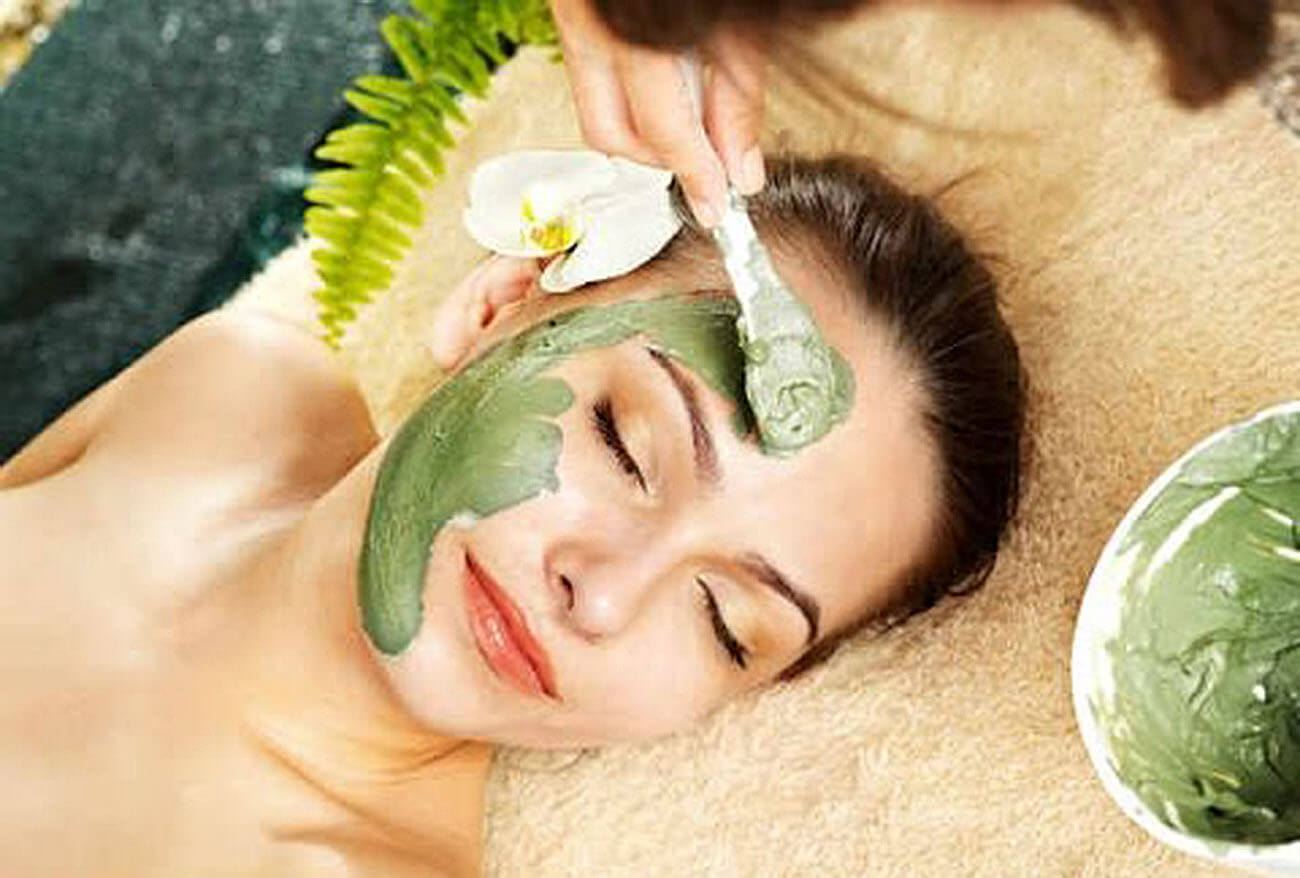
Beauty is an ever-evolving concept. What is considered beautiful today may not be considered so tomorrow. India, with its rich culture and heritage, has been known to have some of the oldest beauty secrets in the world. From ancient Ayurvedic practices to modern beauty treatments, India has a lot to offer when it comes to beauty. The best Indian beauty secrets are a combination of traditional practices and modern techniques.
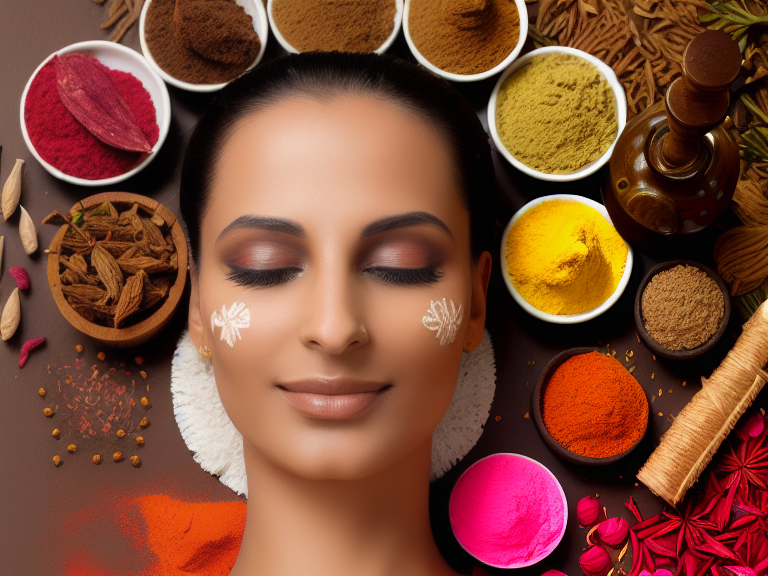
Ayurveda, the ancient Indian science of life, is the foundation of many Indian beauty treatments. Ayurvedic practices focus on the balance of mind, body and spirit, and use natural ingredients such as herbs, spices, and oils to create a holistic approach to beauty. From facial treatments to body scrubs and massages, Ayurveda has a variety of beauty treatments that can help you look and feel your best.
In addition to Ayurvedic treatments, Indian beauty secrets also include a variety of modern treatments. From laser treatments to chemical peels, Indian beauty salons offer a range of treatments that can help you achieve the look you desire. Whether you are looking for a natural glow or a dramatic transformation, Indian beauty salons have the perfect treatment for you.
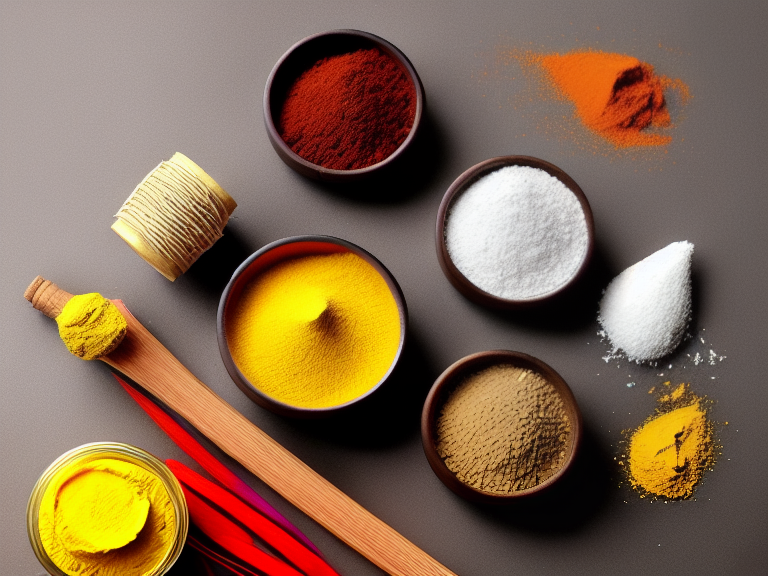
The best Indian beauty secrets also include a variety of home remedies. From natural ingredients like honey and turmeric to homemade masks and scrubs, there are plenty of ways to pamper yourself at home. These home remedies are not only easy to make but also offer a variety of benefits. From nourishing your skin to improving your hair, these home remedies can help you look and feel your best.
Finally, Indian beauty secrets also include a variety of lifestyle habits that can help you look and feel your best. From eating healthy to getting enough sleep, these habits can help you maintain a healthy and beautiful appearance. So, if you are looking for a way to enhance your beauty, then the best Indian beauty secrets can help you achieve your desired look.
Ayurveda

Ayurveda is an ancient science of health and wellness that originated in India. It has been used to promote beauty and health for centuries and is still widely practiced today. Ayurveda is based on the concept of balancing the three doshas, or energies, in the body, which are vata, pitta and kapha. Ayurveda includes a variety of treatments and remedies, such as herbal teas, oils, powders, and massage.
Ayurvedic beauty treatments are said to nourish the skin, promote healthy hair, and improve overall health. They may also help to reduce wrinkles, promote a natural glow, and reduce signs of aging.
Turmeric
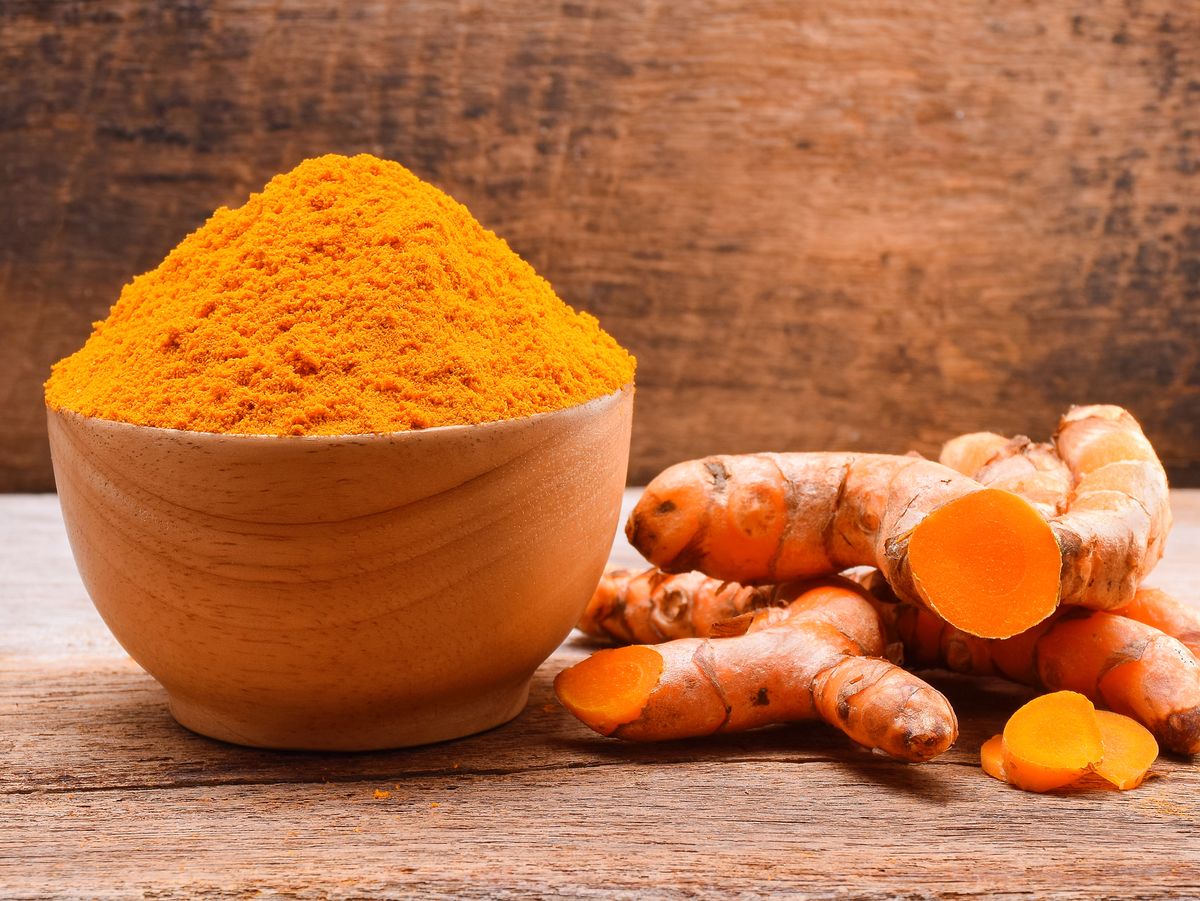
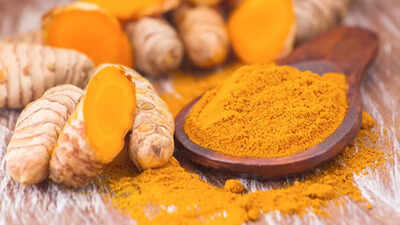
Turmeric is a spice that has been used in India for centuries as a beauty remedy. It is said to help reduce inflammation, brighten the complexion, and even reduce acne. Turmeric is also used to lighten dark spots and reduce the appearance of wrinkles. It is often used in face masks, face scrubs, and other beauty treatments.
Turmeric is also said to promote healthy hair growth and reduce dandruff. It is also said to help reduce scalp irritation and promote scalp health.
Let’s delve deeper into its versatility:
1. Historical Significance
- Turmeric has been a part of Indian culture for over 4,000 years, with references in ancient Ayurvedic texts highlighting its medicinal properties.
- Its traditional use in bridal ceremonies as a symbol of purity and prosperity underscores its cultural significance.
2. Nutritional Profile
- Turmeric contains bioactive compounds called curcuminoids, with curcumin being the most potent, responsible for its antioxidant and anti-inflammatory properties.
- It is rich in vitamins C and E, essential for skin health, and minerals like manganese, known for collagen production.
3. Skin Benefits
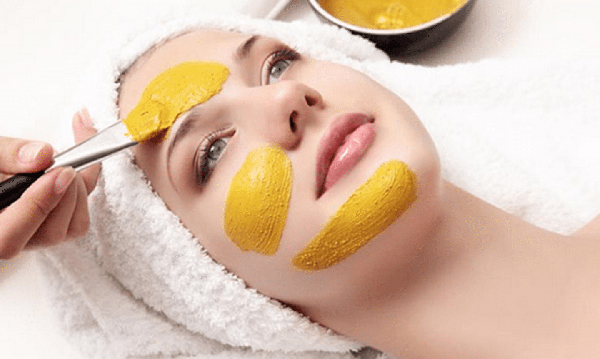
- Turmeric exhibits anti-inflammatory properties, making it effective in treating acne, eczema, and psoriasis.
- Its antioxidant nature helps combat free radicals, reducing signs of aging such as wrinkles and fine lines.
- Turmeric’s antiseptic qualities aid in wound healing and soothing skin irritations.
4. Hair Care
- Regular application of turmeric-infused hair masks helps in combating dandruff and maintaining scalp health.
- Its antimicrobial properties alleviate scalp infections, promoting healthier hair growth.
- Turmeric’s ability to strengthen hair follicles reduces hair breakage and enhances overall hair texture.
5. Comparative Analysis: Turmeric vs. Commercial Products
| Criteria | Turmeric | Commercial Products |
|---|---|---|
| Cost-effectiveness | Economical | Often expensive |
| Side effects | Minimal, natural | May contain harmful chemicals |
| Sustainability | Easily accessible, eco-friendly packaging | Production may involve environmental impact |
| Long-term Benefits | Holistic, addressing multiple concerns | Targeted, specific outcomes |
6. Facts
- Turmeric has been used historically not only for beauty but also for culinary and medicinal purposes, showcasing its versatile nature.
- The vibrant yellow hue of turmeric has been utilized as a natural dye for fabrics in traditional Indian textiles.
7. Application Tips
- For a DIY face mask, mix turmeric with yogurt and honey for a glowing complexion.
- Incorporate turmeric into your diet by adding it to curries, soups, or smoothies for internal benefits.
Turmeric’s prominence in Indian beauty secrets transcends time, offering holistic solutions for radiant skin and lustrous hair. Incorporating this golden spice into your regimen can unlock its treasure trove of benefits for a naturally beautiful you.
Yogurt
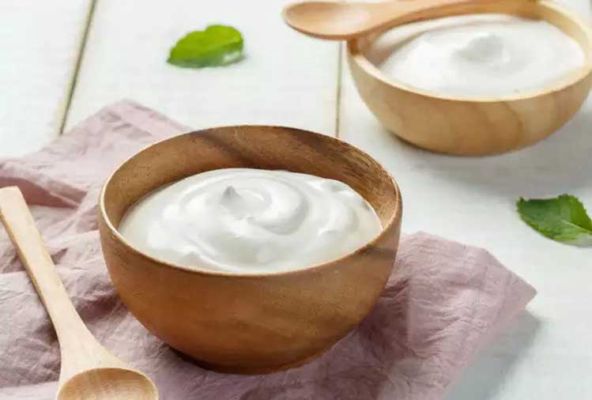
Yogurt is a popular beauty remedy in India. It is said to help nourish and moisturize the skin, reduce redness and inflammation, and help reduce the signs of aging. Yogurt is often mixed with other ingredients, such as honey, turmeric, and lemon juice, to create face masks and other beauty treatments.
Yogurt is also said to help promote healthy hair growth and reduce dandruff. It is also said to help reduce scalp irritation and promote scalp health.
Yogurt is not only beneficial when consumed but also when applied topically to the skin. Rich in lactic acid, it acts as a natural exfoliant, removing dead skin cells and revealing a brighter complexion. Additionally, yogurt contains probiotics, which help maintain the skin’s natural barrier function, preventing moisture loss and promoting overall skin health.
Skin Benefits:
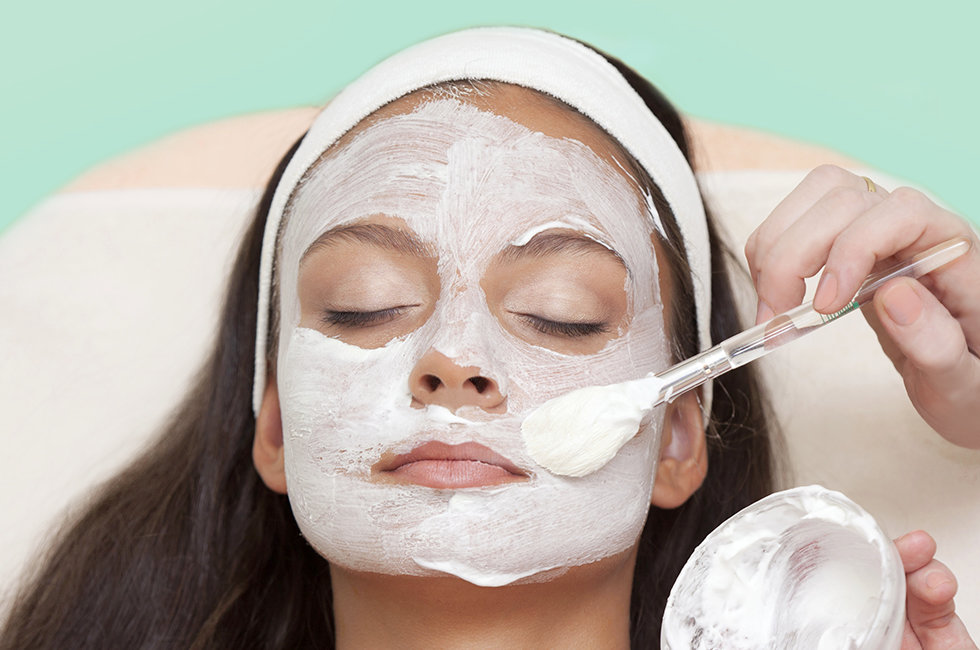
- Moisturizing: The natural fats and proteins in yogurt help moisturize and hydrate the skin, making it an excellent remedy for dryness and flakiness.
- Anti-inflammatory: Yogurt has anti-inflammatory properties that can soothe irritated skin, making it ideal for conditions like acne, eczema, and sunburns.
- Brightening: Lactic acid in yogurt helps lighten dark spots and pigmentation over time, resulting in a more even-toned complexion.
- Anti-aging: The combination of vitamins and minerals in yogurt, such as vitamin B complex and zinc, helps stimulate collagen production, reducing the appearance of fine lines and wrinkles.
Hair Benefits:
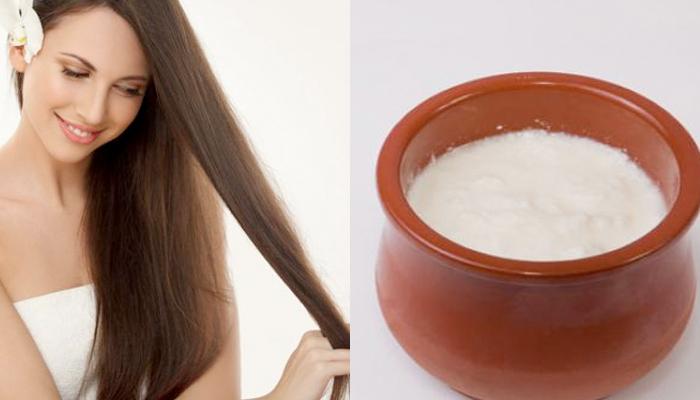
- Scalp Health: The acidic nature of yogurt helps balance the pH of the scalp, preventing dandruff and scalp infections.
- Hair Conditioning: Yogurt can be used as a deep conditioning treatment to nourish and strengthen hair follicles, reducing breakage and split ends.
- Natural Shine: Regular yogurt treatments can impart a natural shine to the hair, making it look healthier and more vibrant.
- Detangling: The proteins in yogurt help smooth the hair cuticle, making it easier to detangle and manage.
Comparison with Commercial Products:
| Criteria | Yogurt | Commercial Products |
|---|---|---|
| Cost-effectiveness | Economical | Often Expensive |
| Side Effects | Minimal, natural | May contain harmful chemicals |
| Sustainability | Easily accessible, eco-friendly packaging | Production may involve environmental impact |
| Long-term Benefits | Holistic, addressing multiple concerns | Targeted, specific outcomes |
Facts:
- Yogurt has been used for centuries in India as a natural remedy for various skin and hair issues, earning it the title of “beauty elixir.”
- In ancient Indian texts, yogurt was often praised for its ability to purify the skin and enhance its natural glow, making it a staple in royal beauty rituals.
Application Tips:
- For a simple yogurt face mask, mix yogurt with honey and a few drops of lemon juice for added brightening effects.
- Use yogurt as a base for DIY hair masks by adding ingredients like coconut oil, egg, or mashed avocado for extra nourishment and conditioning.
Yogurt’s versatility makes it a must-have ingredient in any beauty regimen, offering a plethora of benefits for both the skin and hair. Incorporating yogurt-based treatments into your routine can help you achieve a naturally radiant and healthy appearance.
Aloe Vera

Aloe vera is a popular beauty remedy in India. It is said to help nourish and moisturize the skin, reduce redness and inflammation, and help reduce the signs of aging. Aloe vera is often used as an ingredient in face masks and other beauty treatments.
Aloe vera is also said to help promote healthy hair growth and reduce dandruff. It is also said to help reduce scalp irritation and promote scalp health.
1. Historical Significance:
Aloe vera’s historical significance spans centuries, with ancient civilizations like the Egyptians and Greeks recognizing its healing properties. Cleopatra herself purportedly used aloe vera as part of her beauty routine, emphasizing its enduring legacy in skincare rituals.
2. Nutritional Profile:
Aloe vera boasts a rich nutritional profile, containing vitamins, minerals, enzymes, and amino acids essential for skin and hair health. With vitamins A, C, and E, it nourishes and rejuvenates the skin, promoting a youthful glow and combating free radical damage.
3. Skin Benefits:
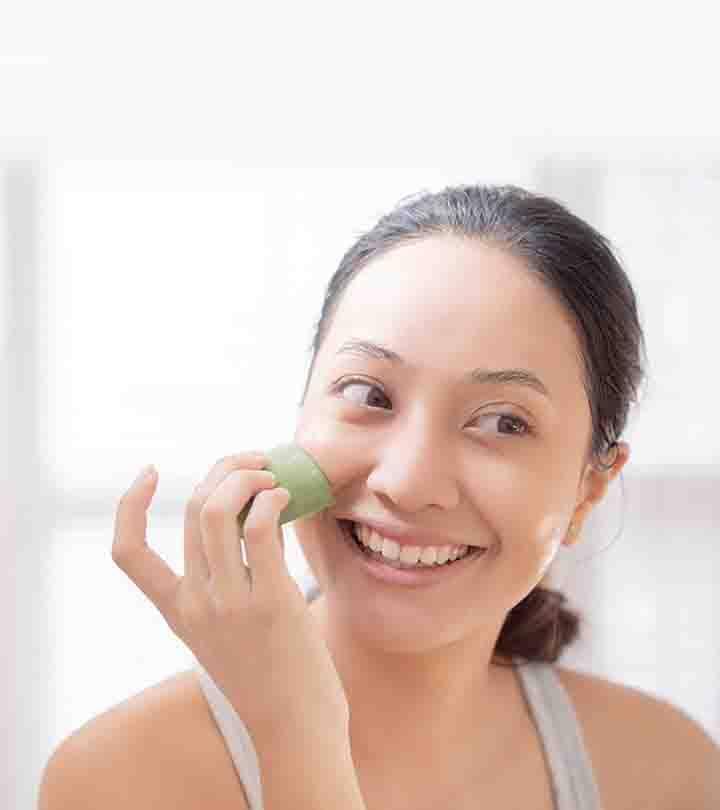
The gel-like substance found in aloe vera leaves is a skincare powerhouse. It hydrates the skin without leaving a greasy residue, making it ideal for oily or acne-prone skin. Aloe vera’s anti-inflammatory properties soothe irritated skin, reducing redness and inflammation associated with conditions like eczema and psoriasis.
4. Hair Care:
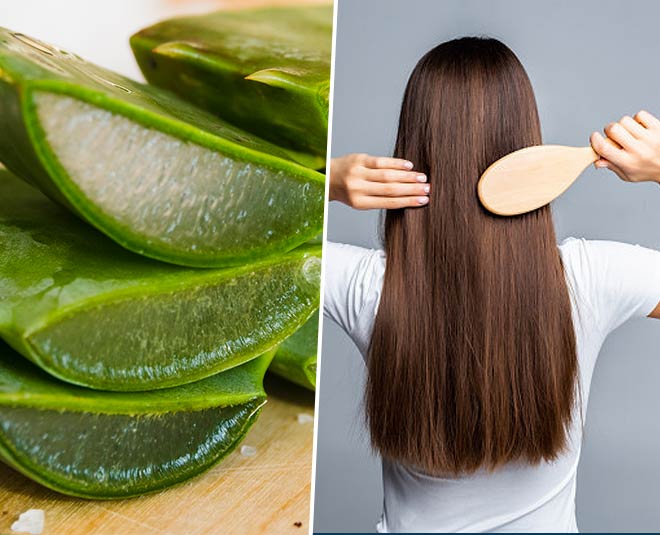
Aloe vera’s benefits extend to hair care, where it serves as a natural remedy for various scalp and hair concerns. Its moisturizing properties help alleviate dryness and itchiness, while its enzyme content promotes healthy hair growth by nourishing the scalp and strengthening hair follicles.
| Nutrient | Content |
|---|---|
| Vitamins | A, C, E, B |
| Minerals | Zinc, Copper, Selenium |
| Enzymes | Amylase, Lipase, Catalase |
| Amino Acids | Lysine, Methionine, Phenylalanine |
Comparison Data:
| Criteria | Aloe Vera | Commercial Products |
|---|---|---|
| Cost-effectiveness | Economical | Often expensive |
| Side effects | Minimal, natural | May contain harmful chemicals |
| Sustainability | Eco-friendly packaging | Production may involve environmental impact |
| Long-term Benefits | Holistic, addressing multiple concerns | Targeted, specific outcomes |
Factual Information:
- Aloe vera’s use dates back to 6,000 years ago, where it was depicted in ancient Egyptian carvings and used as a healing agent.
- Its succulent leaves contain a transparent gel that is rich in bioactive compounds, offering a multitude of therapeutic benefits.
Key Points:
- Soothes sunburn and minor burns effectively.
- Accelerates wound healing by stimulating cell regeneration.
- Acts as a natural moisturizer, leaving skin soft and supple.
- Contains antimicrobial properties, making it effective against acne and blemishes.
- Improves scalp health and conditions hair for added shine and vitality.
With its unparalleled versatility and proven efficacy, incorporating aloe vera into your beauty routine can unlock a host of benefits for radiant skin and luscious hair. Whether used alone or in conjunction with other natural ingredients, this botanical marvel continues to stand the test of time as a cherished beauty secret.
Neem
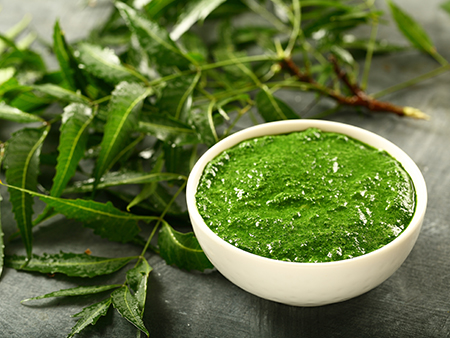
Neem is an herb that has been used in India for centuries as a beauty remedy. It is said to help reduce inflammation, brighten the complexion, and even reduce acne. Neem is also used to lighten dark spots and reduce the appearance of wrinkles. It is often used in face masks, face scrubs, and other beauty treatments.
Neem is also said to promote healthy hair growth and reduce dandruff. It is also said to help reduce scalp irritation and promote scalp health.
Historical Significance
Neem, also known as Azadirachta indica, has a rich historical significance in Indian culture, dating back centuries. Its mention in ancient Ayurvedic texts highlights its medicinal properties and its integral role in traditional Indian medicine.
Nutritional Profile
Neem is a powerhouse of bioactive compounds, including nimbin, nimbidin, and nimbinen, which contribute to its potent medicinal properties. It is rich in antioxidants, essential fatty acids, and vitamin E, making it a versatile herb for skincare and overall health.
Skin Benefits
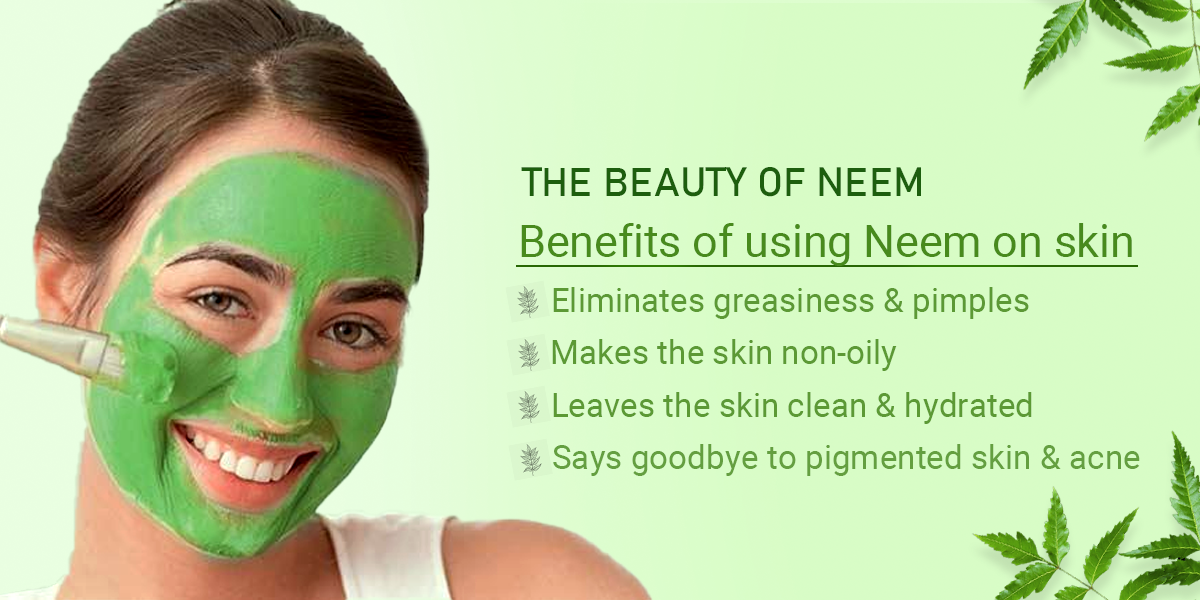
Neem’s anti-inflammatory and antibacterial properties make it effective in treating various skin conditions, including acne, eczema, and psoriasis. It helps to soothe irritation, reduce redness, and promote clear, healthy skin. Neem is also known for its ability to lighten dark spots and even out skin tone.
Hair Care
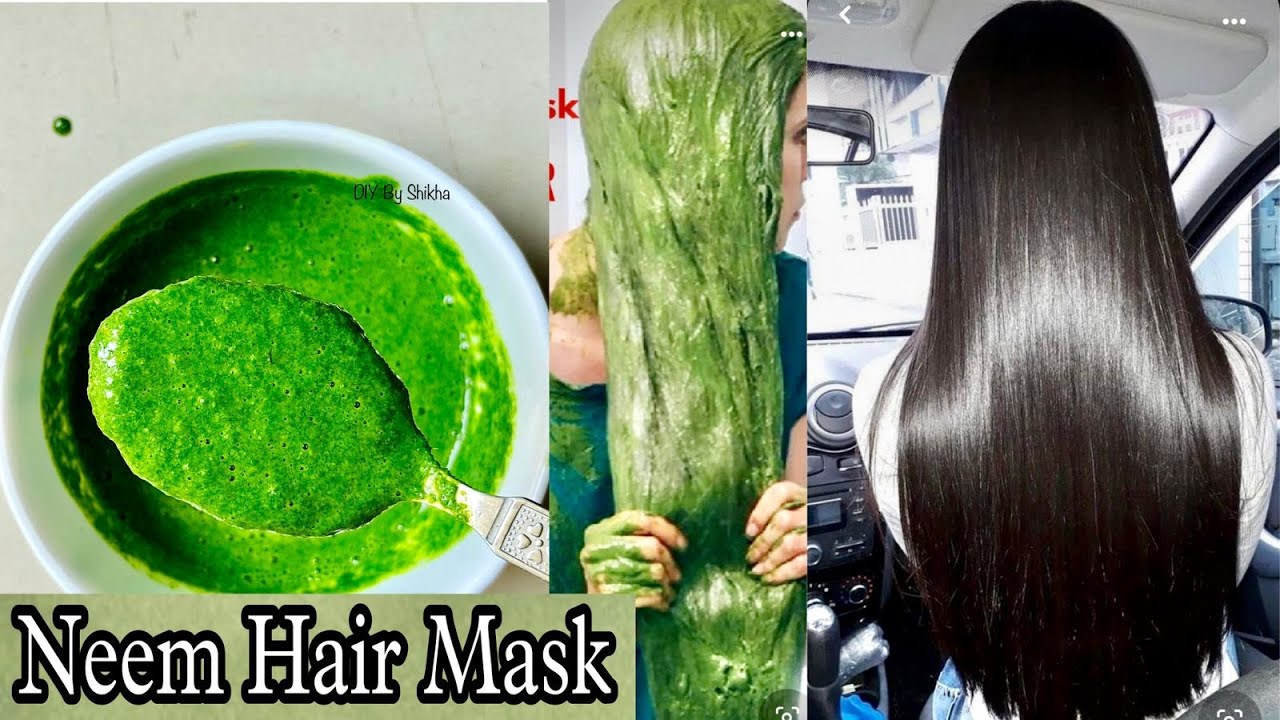
Neem is a boon for hair health. Regular application of neem oil or neem-infused hair masks helps to combat dandruff, soothe scalp irritation, and promote overall scalp health. Its antimicrobial properties help to ward off scalp infections, contributing to healthier hair growth and improved hair texture.
Comparative Analysis: Neem vs. Commercial Products
| Criteria | Neem | Commercial Products |
|---|---|---|
| Cost-effectiveness | Economical | Often Expensive |
| Side Effects | Minimal, natural | May Contain Harmful Chemicals |
| Sustainability | Easily Accessible | Production May Involve Environmental Impact |
| Long-term Benefits | Holistic, addressing multiple concerns | Targeted, specific outcomes |
Engaging Facts
- Neem leaves are commonly used as a natural pesticide in agriculture due to their insect-repellent properties.
- Neem twigs have been traditionally used as natural toothbrushes in India for their oral health benefits.
Application Tips
- Create a DIY neem face mask by mixing neem powder with yogurt and honey for a deep cleansing and nourishing treatment.
- Incorporate neem oil into your hair care routine by adding a few drops to your shampoo or conditioner for added scalp benefits.
Health Benefits
- Neem boosts the immune system and aids in digestion.
- It helps to purify the blood and detoxify the body.
- Neem has anti-inflammatory properties that may help alleviate joint pain and arthritis.
- Regular consumption of neem tea can promote overall well-being and vitality.
By incorporating neem into your beauty and wellness regimen, you can harness its myriad benefits for glowing skin, luscious hair, and overall health. Embrace this ancient Indian treasure to unlock the secrets of nature’s pharmacy.
Coconut Oil
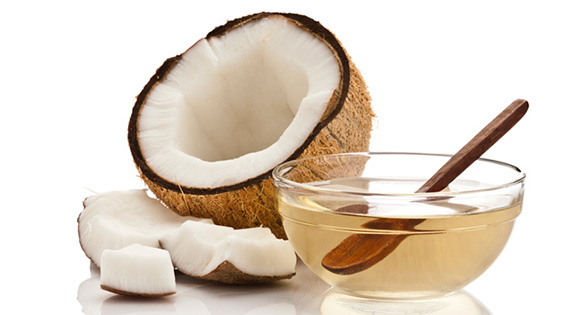
Coconut oil is a popular beauty remedy in India. It is said to help nourish and moisturize the skin, reduce redness and inflammation, and help reduce the signs of aging. Coconut oil is often used as an ingredient in face masks and other beauty treatments.
Coconut oil is also said to help promote healthy hair growth and reduce dandruff. It is also said to help reduce scalp irritation and promote scalp health.
Skin Benefits of Coconut Oil
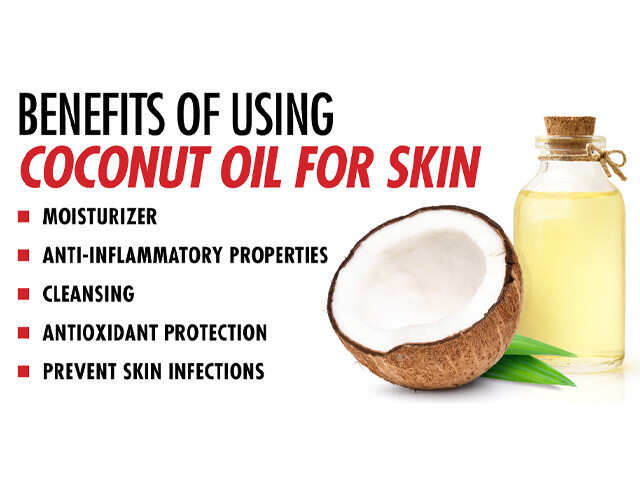
Coconut oil is a natural moisturizer that deeply hydrates the skin, making it soft and supple. It contains lauric acid, which has antimicrobial properties, helping to combat acne and other skin infections. The oil’s high concentration of antioxidants helps to protect the skin from free radical damage, reducing the signs of aging such as wrinkles and fine lines. Regular application of coconut oil can soothe skin irritations like eczema and dermatitis, promoting overall skin health.
Hair Care with Coconut Oil
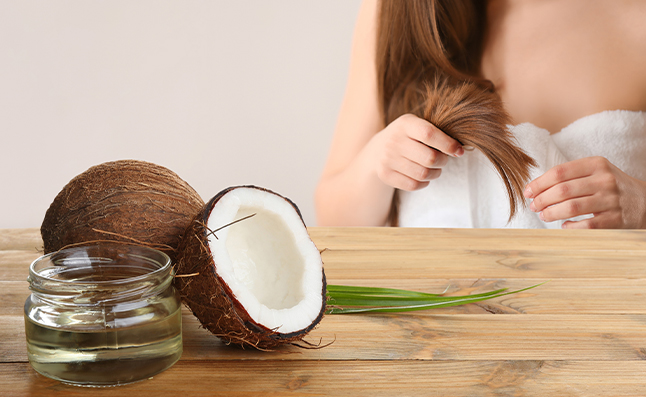
Coconut oil penetrates deep into the hair shaft, nourishing it from within and preventing protein loss. It acts as a natural conditioner, leaving hair smooth, shiny, and manageable. The oil’s antimicrobial properties help to combat dandruff and scalp infections, promoting a healthy scalp environment for hair growth. Coconut oil can also protect hair from environmental damage and heat styling, reducing breakage and split ends.
Comparison: Coconut Oil vs. Other Hair Oils
| Criteria | Coconut Oil | Argan Oil | Olive Oil |
|---|---|---|---|
| Moisturizing | Deeply hydrates and nourishes | Adds shine and softness | Conditions and strengthens |
| Scalp Health | Fights dandruff and infections | Nourishes scalp and hair roots | Soothes dry scalp |
| Protein Retention | Prevents protein loss | Restores elasticity | Improves hair texture |
| Price | Economical | Moderately expensive | Affordable |
Interesting Facts about Coconut Oil
Coconut oil has been used for centuries in traditional Indian medicine for its healing properties. In some cultures, coconut oil is considered sacred and is used in religious ceremonies. The versatility of coconut oil extends beyond beauty; it’s also used for cooking, oil pulling, and even as a natural sunscreen.
Tips for Using Coconut Oil
Apply coconut oil to damp skin after showering for maximum absorption. For hair care, massage coconut oil into the scalp and hair, leave it on for at least 30 minutes, then shampoo as usual. Use coconut oil as a makeup remover to gently cleanse the skin without stripping away its natural oils. Incorporate coconut oil into your diet by using it for cooking or adding it to smoothies for its nutritional benefits.
Coconut oil truly stands out as a multipurpose beauty staple, offering a wide range of benefits for skin and hair care. With its nourishing properties and versatility, it’s no wonder that coconut oil remains a beloved ingredient in Indian beauty secrets.
FAQ
Q1. What are some natural ingredients used in Indian beauty secrets?
A1. Indian beauty secrets have been used for centuries to keep skin and hair looking healthy and beautiful. Some of the natural ingredients commonly used in these beauty secrets include turmeric, yogurt, coconut oil, neem, and aloe vera. Turmeric is known for its anti-inflammatory and skin-soothing properties, and is often used in face masks and other treatments. Yogurt is a great source of lactic acid, which helps to exfoliate and brighten skin. Coconut oil is a great moisturizer and can be used to nourish and condition hair. Neem is known for its anti-bacterial and anti-fungal properties and is often used as a natural remedy for skin infections. Finally, aloe vera is well-known for its healing and soothing properties and is often used in face masks and other treatments.
Q2. What are some of the best home remedies for skin care?
A2. Home remedies are a great way to keep skin looking healthy and beautiful. Some of the most popular home remedies for skin care in India include using turmeric and yogurt face masks, applying coconut oil to the skin, and drinking neem tea. Turmeric and yogurt face masks are known to be great for reducing redness and inflammation, as well as brightening the skin. Coconut oil is a great moisturizer and can be used to nourish and condition the skin. Drinking neem tea is known to be beneficial for skin health, as it has anti-bacterial and anti-fungal properties. Additionally, aloe vera is well-known for its healing and soothing properties and can be used to treat sunburns, rashes, and other skin conditions.
Q3. What are some tips for keeping hair healthy and strong?
A3. Keeping hair healthy and strong is essential for maintaining a beautiful look. Some tips for keeping hair healthy and strong include using natural oils, such as coconut oil and almond oil, to nourish and condition the hair. Additionally, using a mild shampoo and conditioner can help to prevent damage and keep hair looking healthy. It’s also important to avoid over-styling the hair, as this can cause damage and breakage. Finally, using a natural hair mask made with yogurt, neem, and aloe vera can help to nourish and condition the hair, as well as reduce dandruff.
Q4. What are some tips for keeping skin looking youthful and glowing?
A4. Keeping skin looking youthful and glowing is essential for maintaining a beautiful look. Some tips for keeping skin looking youthful and glowing include using natural ingredients, such as turmeric and yogurt, in face masks and other treatments. Additionally, drinking plenty of water and eating a healthy diet can help to keep skin looking healthy and hydrated. It’s also important to avoid over-exposure to the sun, as this can cause damage to the skin. Finally, using natural oils, such as coconut oil and almond oil, can help to nourish and condition the skin.