As consumers, we have become more conscious about the impact our purchases have on the environment. Sustainable fashion has become a growing trend in the industry and brands are taking note. Today, sustainable fashion is not just a buzzword but a way of life for fashion brands. The shift towards sustainable fashion is driven by consumer demand and the need for a better way to manufacture clothes. Brands are increasingly under pressure to address issues like overproduction and waste, alongside the need for quality sustainable garments.
Major fashion brands are beginning to tackle the sustainable fashion agenda, creating sustainable collections and embracing new production methods. Brands are exploring new ways to manufacture their products, making use of sustainable materials, ethical production techniques, and circular economies to reduce their environmental impact. Brands are also taking a holistic approach to sustainability, and it’s more than just the materials they use. It’s also about the supply chain, packaging, and transportation of materials.
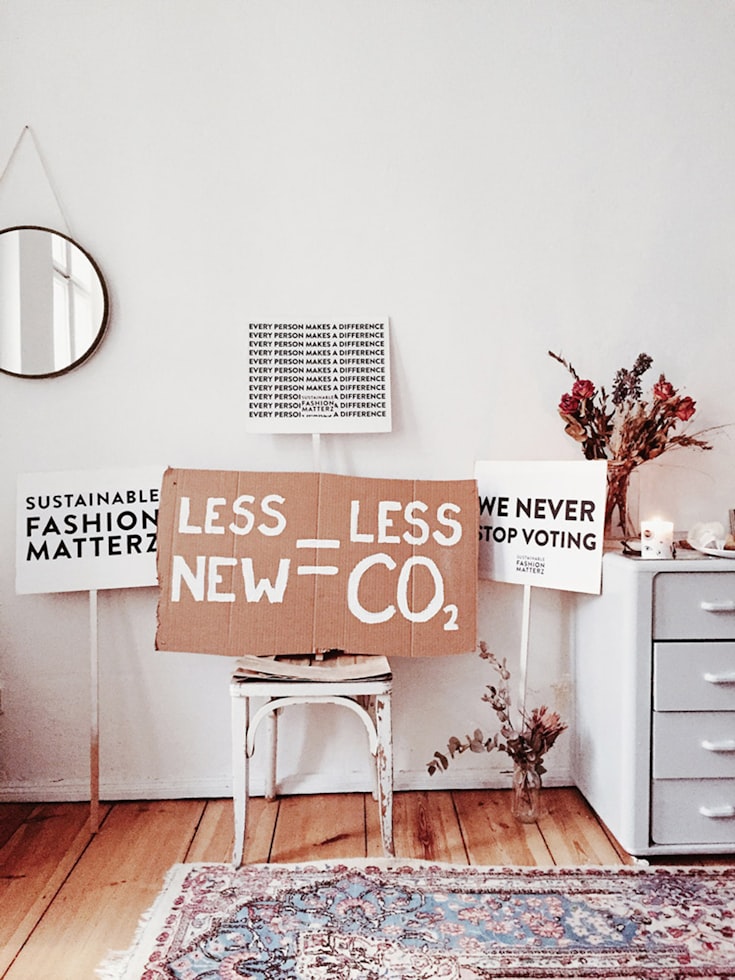
The fashion industry is the second-largest polluter in the world after the oil industry, and it contributes to the depletion of natural resources. The positive impact of sustainable fashion on the environment and society is significant. Sustainable fashion reduces carbon emissions, chemical pollution, water usage, and waste. Brands are adopting sustainable practices that focus on creating products that last longer, reducing waste and promoting social and environmental justice.
The key to making a real impact with sustainable fashion is creating products that can compete with fast fashion in terms of affordability and style. Sustainable clothing doesn’t have to come at a high cost, and brands are looking for ways to make sustainable collections more accessible to the masses. Brands have been working on creative solutions like recycled materials, organic cotton and other sustainable materials like bamboo.
Sustainable fashion is about taking small steps towards a more sustainable future in the fashion industry. Brands are constantly striving to find new ways to make their products more sustainable, looking for innovative solutions to reduce their carbon footprint, and creating a more circular production system. It’s about embracing sustainable practices and finding ways to take action while making a difference. It’s about creating a more sustainable future, one garment at a time.
Sustainability is the future of fashion. With brands taking a stance on environmental responsibility, and consumers taking action, the need for sustainability in the fashion industry will only continue to grow. The fashion industry is evolving, and it’s moving towards ethical and sustainable practice. It’s up to us to demand more from the brands we shop from, and to make a difference with our purchasing power. The future of fashion is sustainable, and we can all have an impact.
Sustainable Materials
The fashion industry is one of the largest polluters in the world. Brands are now taking action and incorporating sustainable materials into their production process, such as organic cotton or recycled polyester. These materials are not only good for the environment but also make the clothing comfortable and durable for the consumer. This push towards sustainable materials is also helping to reduce the waste that ends up in landfills.
Reducing Waste
In addition to using sustainable materials, brands are also focusing on reducing waste. One way they are doing this is by creating clothing that is versatile and can be worn in different ways, such as reversible jackets. Another approach is to use leftover fabric from production to create smaller accessories like hairbands or scrunchies. These small changes can have a big impact in reducing waste and creating a more sustainable industry.
Circular Fashion
Brands are also exploring the idea of circular fashion, which means creating clothes that are designed with the intention of being reused or recycled. This means that clothes can be given a second life once they are no longer needed or wanted. By creating a closed-loop system, brands can reduce waste and lessen their impact on the environment. Some brands are even offering services to repurpose old clothes or take them back for recycling.
Sustainable Packaging
Packaging is an often-overlooked aspect of sustainability. Brands are now looking at sustainable packaging options, such as biodegradable or compostable materials. Some brands are even using innovative solutions like plant-based packaging or packaging made from mushroom roots. These sustainable packaging options reduce the overall impact on the environment and can create a positive brand image.
Transparency
Consumers are becoming more aware of the environmental impact of the fashion industry and are demanding transparency. Brands are now providing more information about their production process, including the materials used and the conditions in which the clothes are made. This transparency helps consumers make informed choices and encourages brands to be more accountable for their impact on the environment.
Eco-Friendly Practices
Brands are also implementing eco-friendly practices in their production process, such as using renewable energy or reducing water usage. These practices help to reduce the overall environmental impact of the fashion industry and create a more sustainable future. By implementing these practices, brands are not only helping the environment but also creating a positive image for themselves.
Collaboration
Collaboration is key in creating a more sustainable fashion industry. Brands are now working together with each other and with organizations to collectively work towards sustainability goals. By collaborating, brands can share knowledge and resources to create a bigger impact. This collaborative effort can also help to set industry-wide standards for sustainability.
Summary
The shift towards sustainable fashion is driven by consumer demand and the need for a better way to manufacture clothes. Brands are taking a holistic approach to sustainability, including their supply chains, packaging, and transportation of materials, and are exploring new ways to manufacture products, using sustainable materials, ethical production techniques, and circular economies to reduce their environmental impact. The fashion industry is the second-largest polluter in the world, but sustainable fashion reduces carbon emissions, chemical pollution, water usage, and waste. Brands are creating sustainable collections that are affordable and stylish, and the future of fashion is sustainable.

FAQ
How can I make a positive impact on the environment by shopping sustainably?
Many sustainable fashion brands incorporate eco-friendly materials and production methods to minimize their environmental impact. You can also look for clothing made from natural fibers like organic cotton, hemp or linen. These fibers require less water and fewer pesticides compared to conventional cotton production. Buy items made to last so that they don’t contribute to fast fashion waste. Additionally, you can support brands that promote ethical manufacturing practices that minimize worker exploitation.
How do sustainable fashion brands address labor issues in their supply chain?
Many sustainable fashion brands focus on transparency and fair labor practices that ensure workers receive fair wages and work under safe conditions. They also build close relationships with their manufacturers and regularly audit their facilities to ensure they meet safety standards. Brands might also use recycled or repurposed materials, reducing the amount of waste they generate, and invest in social programs for their workers, fostering a sense of community and improving their livelihoods.
How do I choose sustainable fashion brands to support?
Look for sustainability ratings from trusted sources, such as the Good On You app or Ecocult’s “Green Gift Guide. Research companies to learn about their manufacturing, supply chain, and environmental practices. Choose a company whose values align with your own and prioritize transparency about where and how their products are made. You can also support clothing companies that give back to environmental and social causes.
Can small changes in my fashion choices make a difference?
Absolutely! Making small changes such as purchasing clothing made from sustainable materials or buying second-hand can reduce your carbon footprint while saving money. By buying fewer, quality items that last for a long time and washing clothes in cold water and hanging them to dry, you’re also conserving energy and natural resources. Additionally, reducing, reusing, and recycling clothes instead of throwing them away helps to minimize the amount of textile waste that ends up in landfills. Small choices can make a big impact.