

The beauty industry has been around for centuries, but it has seen a dramatic shift in recent years. With the rise of social media and the influence it has on our daily lives, this once niche market has become a multibillion-dollar industry that attracts people from all walks of life. From makeup artists to skincare specialists, the beauty industry is thriving, and it shows no signs of slowing down anytime soon. In this blog post, we’ll explore the history of the beauty industry and how it has evolved to become what it is today. So, buckle up and get ready for a journey through time as we delve into one of the most exciting industries in the world!
The Ancient Origins of Cosmetics
The beauty industry has a long and rich history, with origins dating back to ancient civilizations like Egypt. Archaeological evidence shows that both men and women in ancient Egypt used makeup to enhance their appearance, with some products having religious significance as well. As time passed, the use of cosmetics evolved and spread to other cultures like Greece, Rome, and China, often used to express oneself and show status. Today, the Western cosmetics industry is a major player in the beauty market, influenced by events like World War I and II and advancements in technology. However, it is important to remember that the industry we know today has a long history rooted in ancient traditions.
The Rise of the Western Cosmetics Industry

The Western cosmetics industry began its rise in the late 1800s, thanks to a shift in the perception of color cosmetics and the advent of “visual self-awareness.” As the industry grew, new and unknown brands emerged, with entrepreneurs pioneering the new beauty culture. Women such as Helena Rubinstein and Elizabeth Arden became early leaders in the cosmetics industry. Historical events, such as World War I and II, significantly impacted the industry, leading to innovations and advancements. The impact of the Western cosmetics industry on beauty standards and culture cannot be ignored, as it brought cosmetics into the mass merchandise market through the glamorization of Hollywood movie stars. With the transformation of small cosmetics companies into larger corporations, business models had to change to remain competitive. Looking into the future, the beauty industry continues to evolve and adapt to new technologies and trends in order to meet the needs of consumers.
Historical events that influenced the industry, such as World War I and II

Historical events such as World War I and II had a profound impact on the beauty industry. During World War I, the use of cosmetics was seen as patriotic and luxurious, despite the shortage of resources due to the war effort. Brands such as Revlon, Estée Lauder, and Elizabeth Arden emerged during this time, paving the way for the modern beauty industry. World War II further fueled the industry’s growth with the influx of women into the workforce, gaining greater independence and purchasing power. However, the shortage of resources during this time led to the creation of more practical beauty products, such as waterproof mascara and long-lasting lipstick formulations. The industry’s response to these historical events further demonstrates its adaptability and resilience in the face of challenges.
Key players in the Western cosmetics industry
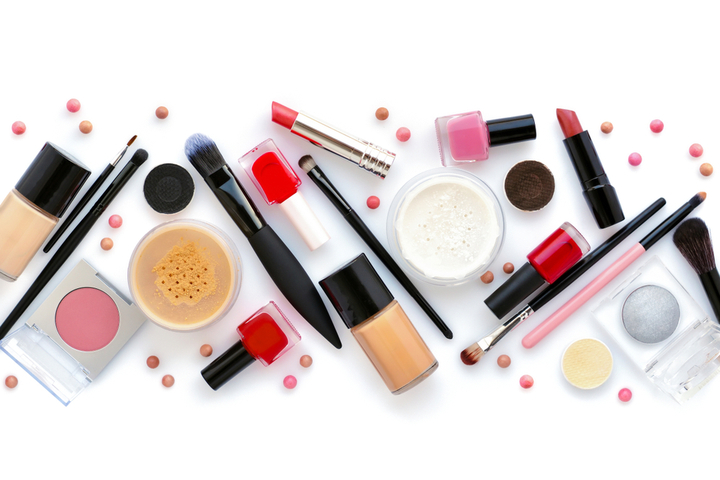
The Western cosmetics industry has been dominated by a handful of key players throughout its history. From early pioneers like Helena Rubinstein and Elizabeth Arden, to modern giants like L’ORÉAL S.A. and Revlon, Inc., these companies have shaped the industry and set the standards for quality and innovation. One factor that has contributed to their success has been their ability to adapt to changing market trends and consumer preferences. The rise of plant-based cosmetics and the increasing importance of technology in beauty are just two examples of the ways in which these companies have remained relevant in a constantly evolving industry. Despite the dominance of these major players, however, there have also been notable transformations and disruptions within the cosmetics industry, such as the emergence of small, independent companies and the expansion of direct-to-consumer sales models. As the beauty industry continues to evolve, it will be interesting to see how traditional industry leaders navigate these changes and who will emerge as the new key players.
Innovations and advancements made by the industry

Innovations and advancements in the Western cosmetics industry have transformed the way we view beauty and skincare. From ancient times to the Roaring Twenties and glamorous Hollywood stars, the industry has continuously evolved, with breakthroughs in skin biology, gene and nanotechnology. The rise of visual self-awareness propelled the industry forward, with a focus on meeting consumers’ needs through digital innovations that personalize beauty tools. The pandemic has accelerated once-fringe beauty trends such as waterless cosmetics, CBD skincare, and microbiome skincare. This has led small cosmetics companies to transform their businesses and for the larger ones to cater to a broader scope of beauty standards and cultures. These advancements have also pushed the limits of non-invasive cosmetic procedures, such as AI-powered skin analysis and virtual try-on features, which give consumers more customized and convenient options. Perry Romanowski, the cosmetic chemist, predicts that we will see more innovation, including the use of food-grade ingredients for skincare products, in the future. These innovations will lead to more sustainable and healthier beauty practices for everyone.
Impact of the Western cosmetics industry on beauty standards and culture
The Western cosmetics industry has had a significant impact on beauty standards and culture. The rise of this industry in the late 1800s was a result of a shift in the perception of color cosmetics and visual self-awareness. Historical events, such as World War I and II, also played a role in shaping the industry. The industry has seen innovations and advancements in the form of new products and ingredients, as well as the emergence of new plant-based cosmetics. The impact of the Western cosmetics industry can be seen in the way beauty standards have evolved and how cultures around the world have been influenced. The use of cosmetics has become a widely accepted practice around the world, with many women using makeup as a form of self-expression. The beauty industry continues to evolve, driven by innovations in technology and changes in consumer preferences. As the beauty industry becomes more global, it will be interesting to see how Western influence continues to shape it.
Future of the beauty industry with regards to Western influence
Looking towards the future of the beauty industry, it’s clear that the influence of Western culture will continue to play a significant role. As explored in previous blog sections, the rise of the Western cosmetics industry and historical events such as World War I and II have greatly impacted beauty standards and culture globally. However, the industry is also moving towards more plant-based and eco-friendly products, as consumers become more conscious about the impact of their purchasing decisions on the environment. Additionally, technology will continue to be a driving force behind innovation and advancements in the industry, with virtual try-on and “waterless” beauty products being just a few examples. As the industry evolves, it’s crucial for businesses of all sizes to adapt to these changes and embrace both the heritage of the Western cosmetics industry and the more modern, conscious approach to beauty.
The Impact of the Roaring Twenties and Hollywood
The impact of Hollywood and the Roaring Twenties on the cosmetics industry cannot be overstated. As Hollywood became a major player in the entertainment industry, stars’ styles and appearances became the benchmark for fashion and beauty standards across the country. The emergence of the flapper style in the 1920s, with its shorter hemlines and bolder makeup choices, reflected the cultural rebellion of the era. This led to a significant rise in the use of cosmetics, which were increasingly popularized through beauty salons and advertisements. The Western cosmetics industry continued to thrive, driven by the growth of the economy and women’s increasing independence in the workforce during World War II. Today, the beauty industry continues to evolve and innovate, but its roots in the cultural and social changes of the 1920s and the influence of Hollywood remain the foundation of its evolution.
The Emergence of Plant-Based Cosmetics
The beauty industry has seen significant changes over the years, and the emergence of plant-based cosmetics is a prime example of this trend. With rising consumer awareness about the long-term effects of using products with animal-derived ingredients, there has been a surge in demand for vegan, cruelty-free, and sustainable beauty products. The global consumption of plant-based cosmetics has shown spectacular growth, and the industry has responded with innovative formulations in skincare, personal care, fragrance and makeup. With an estimated $15.1 billion global market for vegan cosmetics in 2020, the industry is poised for even more growth in the coming years. As the beauty industry continues to evolve, the rise of plant-based cosmetics is paving the way for a more sustainable and conscious approach to beauty that benefits all.
The Growth of Visual Self-Awareness

The beauty industry has come a long way since its ancient origins. With the rise of the Western cosmetics industry came a shift in perception towards color cosmetics and an increase in visual self-awareness among consumers. The emergence of Hollywood and the Roaring Twenties played a significant role in influencing beauty standards and culture. As the industry grew, so did the demand for plant-based cosmetics and non-invasive cosmetic procedures. Along with these advancements came innovative technologies such as virtual try-ons and ingredient transparency. While some argue that the imagery used by the beauty industry can have negative effects on female consumers, others see it as a form of self-expression and art. As smaller cosmetic companies transform and adapt to the changing market, it is clear that the beauty industry will continue to evolve and impact our world in exciting ways.
The Broad Scope of the Beauty Industry

The beauty industry is undeniably vast and diverse, encompassing a wide range of products and services. This includes skin care, hair care, cosmetics, fragrances, and personal care. With over 670,000 individuals employed in the beauty services sector in the United States alone, it’s clear that this industry is not only influential, but also significant in terms of employment opportunities. As the beauty industry continues to evolve, with innovations and advancements constantly being made, it’s important to recognize its broad scope and impact on various aspects of society. From setting beauty standards to transforming small cosmetics companies, the beauty industry plays a pivotal role in shaping culture and trends. With increasing importance placed on wellness and self-care, the beauty industry is likely to continue thriving as it caters to the evolving needs of consumers.
The Transformation of Small Cosmetics Companies

Over the years, the beauty industry has witnessed the rise of smaller cosmetics companies that have transformed the sector in many ways. With the advent of the digital era, emerging brands have been given opportunities to sell their products on high-quality platforms such as Sephora and Ulta, which were previously monopolized by larger corporations. The emergence of all-natural and clean products has further provided smaller companies with a chance to stand out and make a significant contribution to the overall category of the beauty and skincare business. These transformations have led to many advancements in the industry and created a greater connection between consumers and brands. As larger companies continue to embrace the latest technologies and innovations, it is evident that the beauty industry will continue to evolve and provide exciting new possibilities for small cosmetics companies to thrive.
The Importance of Technology in Modern Beauty

As discussed in previous sections of this blog, the beauty industry has undergone numerous transformations throughout history. One of the most significant shifts in recent years has been the integration of technology into beauty products and services. The advent of advanced technologies has allowed for the development of a vast array of innovative skincare products and treatments, giving consumers access to new and improved ways of addressing their beauty concerns. This technological revolution has also led to the emergence of digital experiences and tools that help businesses manage their clientele, streamline workflows, and ultimately boost profits. While traditional beauty products and services will always have their place, the incorporation of technology into the industry has redefined what it means to experience and provide modern beauty.
Understanding the Limits of Non-Invasive Cosmetic Procedures
As the beauty industry continues to flourish, the demand for non-invasive cosmetic procedures skyrocketed. However, it is crucial to understand the limitations of these procedures. While these treatments can effectively tighten moderately lax or “crepey” skin on the face, neck, and body, they have their limitations. For example, non-invasive procedures cannot provide the same dramatic results as surgical procedures. It is also essential to recognize that these procedures are not one-size-fits-all and may not be suitable for everyone. Thus, it is essential to consult with a qualified cosmetic surgeon to determine whether non-invasive procedures are the right choice. As the beauty industry evolves, it is imperative to be aware of the strengths and limitations of non-invasive cosmetic procedures.
The Evolution of Business Models in the Beauty Industry
Over time, the beauty industry has evolved dramatically, impacting the way products are marketed and sold. From the rise of the Western cosmetics industry to the emergence of plant-based cosmetics, the industry has undergone significant changes that have shaped current business models. With the growth of visual self-awareness and the transformation of small cosmetics companies, there has been a shift towards niche products catering to specific demographics. Technology has played a vital role in modernizing the beauty industry, enabling virtual try-on and personalization of products. Non-invasive cosmetic procedures have also gained popularity, but it’s essential to understand their limits. Looking ahead, the future of the beauty industry will be shaped by new business models, including subscription-based services, while also being mindful of sustainability and ethical practices. Overall, the industry has come a long way and is continuously evolving, making it an exciting space for innovation and growth.

FAQ
What is the history of the beauty industry?
The history of the beauty industry dates back to ancient times when humans started using various materials and substances to enhance their appearance. Ancient Egyptians, for example, used various natural substances such as oils, ointments, and perfumes to beautify themselves. Similarly, the ancient Greeks and Romans also used cosmetics for personal grooming and beauty enhancement.
During the Renaissance period, cosmetics became popular among the aristocrats and wealthy classes, and the first modern cosmetic companies started emerging in Europe. In the 20th century, the beauty industry evolved significantly with the invention of new beauty products and technologies. Today, the global beauty industry is a multi-billion dollar industry that caters to the needs of consumers around the world.
What are the latest trends in the beauty industry?
The beauty industry is constantly evolving, and new trends emerge every year. Some of the latest trends in the beauty industry include:
Clean Beauty: This trend focuses on using natural and organic ingredients in beauty products, avoiding harmful chemicals and synthetic materials.
Skincare: With an increased focus on wellness, skincare has become a major trend in the beauty industry. Products such as facial oils, serums, and sheet masks have become popular.
Inclusive Beauty: There is a growing demand for diversity and inclusivity in the beauty industry, with more brands catering to different skin tones, hair types, and body shapes.
Technology: Technology is playing a significant role in the beauty industry with the development of new products such as smart mirrors, virtual try-on tools, and personalized skincare regimens.
What are some common misconceptions about the beauty industry?
One of the most common misconceptions about the beauty industry is that it promotes unrealistic beauty standards and reinforces negative body image. While it is true that some aspects of the beauty industry may contribute to these issues, many brands are now promoting body positivity and inclusivity.
Another misconception is that beauty products are only for women. In reality, the beauty industry caters to people of all genders, and there are numerous products and services available for men as well.
Finally, there is a misconception that natural and organic products are always better than synthetic ones. While natural products may have some benefits, not all natural ingredients are safe or effective, and many synthetic ingredients have been rigorously tested for safety and efficacy.
How has the beauty industry been impacted by the COVID-19 pandemic?
The COVID-19 pandemic has had a significant impact on the beauty industry. With social distancing measures and lockdowns in place, many people have shifted to at-home beauty treatments and DIY skincare routines. This has led to a surge in demand for self-care and wellness products.
At the same time, the pandemic has also resulted in supply chain disruptions and production delays, leading to shortages of some beauty products. Many beauty retailers and salons have also had to temporarily close or adjust their operations to comply with safety guidelines.
However, as vaccination rates increase and restrictions are lifted, the beauty industry is expected to rebound and continue its growth trajectory in the coming years.


