When it comes to ethnic wear, India has an incredibly diverse and rich tradition. The nation is home to a melting pot of cultures that have blended and fused over centuries to create a unique patchwork of style, color, and texture. Every region and community has its own special brand of ethnic wear, adding another dimension to the already colorful array of outfits available in the country.
These outfits are not just clothes to wear but are an intrinsic part of the Indian identity. They express the heritage and values of a community or region and are steeped in tradition, religion, and symbolism. The significance of ethnic wear in India is perhaps best reflected in the array of festivals and ceremonies where they play a crucial role.
The various forms of ethnic wear in India are not just restricted to traditional clothes, but are also woven into contemporary styles. Ethnic wear has never been out of fashion and is a versatile canvas that provides immense scope for experimentation and reinterpretations for both men and women. However, in recent times, it has become fashionable for people of Indian origin globally to wear Indian ethnic clothing, even as a way of keeping their cultural identity alive.
The most colorful aspect of ethnic wear is the stunning embroidery, beading, and weaving that is done to each garment. India is a country of artisans, and this is beautifully reflected in the intricate designs that are crafted and passed down through generations. Each piece of clothing tells a story, and these stories are something to explore and admire in India.
The common types of ethnic wear include sarees, salwaar kameez, lehengas, and sherwanis, to name a few. The saree, in particular, is a style of drape that spans the length and breadth of India, with its origin estimated to be around 2800-1800 BC. It is a six-meter piece of fabric that is draped around the body in various styles, and is synonymous with elegant, feminine beauty.
Exploring the rich tradition of ethnic wear in India is a journey of discovery that is well worth the effort. It is a chance to immerse oneself in an intricate world of design, culture, history, and art. From the vibrant colors to the intricate details that adorn each piece, ethnic wear in India is a celebration of imagination and creativity.
The Importance of Ethnic Wear in India
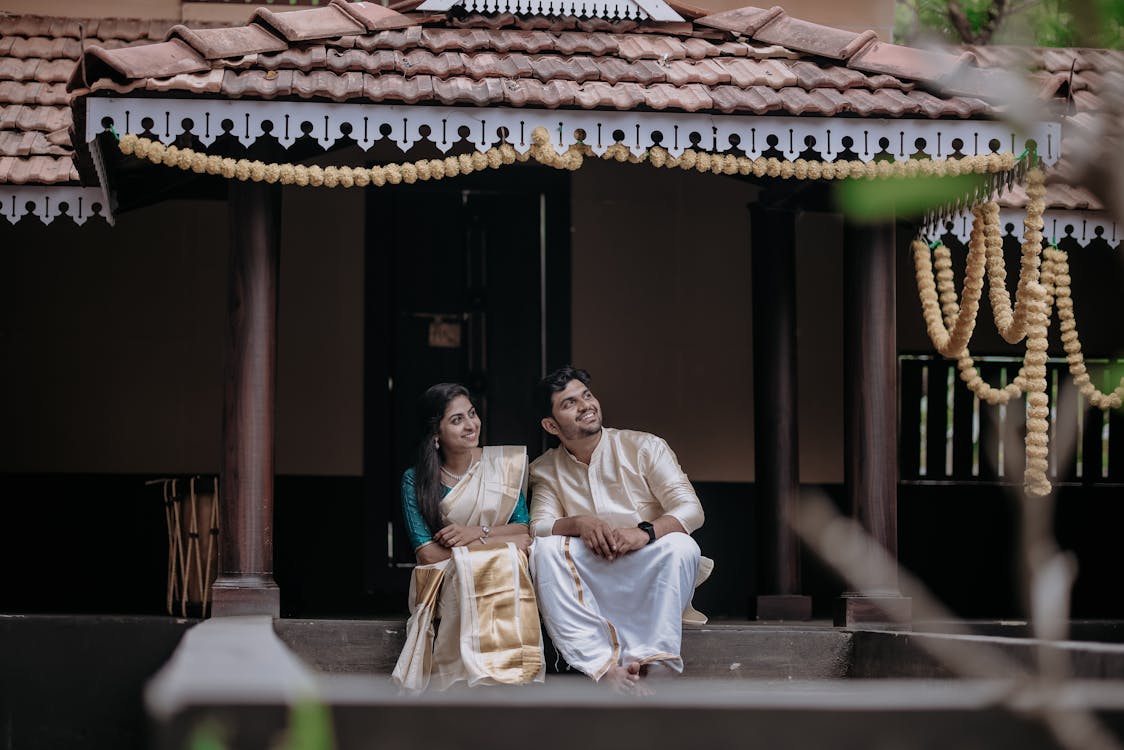
India, known for its diversity in culture and customs, has a rich tradition of ethnic wear. Ethnic wear is not only a way of dressing up but also represents the essence of Indian culture. Indian ethnic wear varies from region to region and reflects a fusion of historic and modern elements. Women, in particular, exhibit their love for ethnic wear by sporting sarees, salwar-kameezes, or lehengas during festivals, weddings, or social gatherings. Ethnic wear is not just for women, as men can be seen exuding the sophistication and comfort of ethnic wear through their kurta-pyjama and sherwani.
The Variety in Indian Ethnic Wear
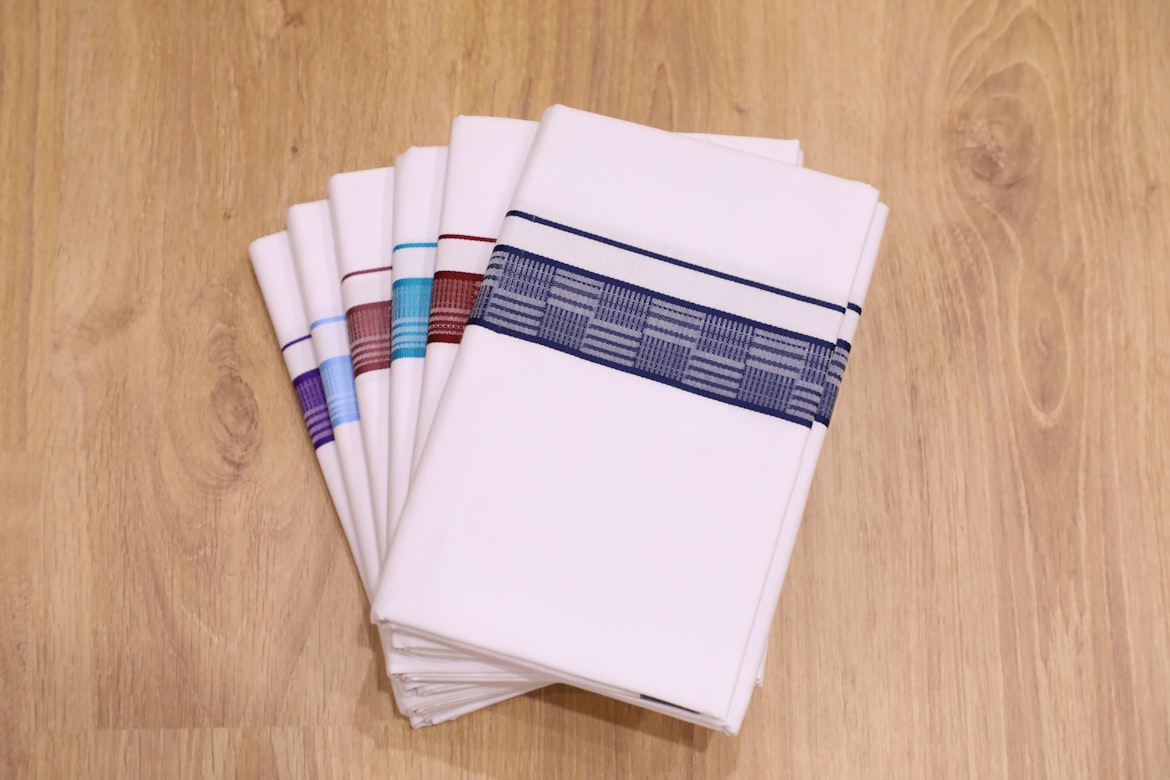
Indian ethnic wear has a plethora of options for those seeking to showcase their love for culture in style. Among the most popular dresses are sarees, salwar-kameezes, and lehengas. Sarees, a six-yard-long drape, comes in different fabrics like cotton, silk, and chiffon, to name a few. Salwar-kameez sets consist of a tunic top and a loose-fitted trouser paired with dupattas, while lehenga sets consist of a long skirt, a blouse, and a dupatta. Indian ethnic wear also boasts of shawls, stoles, kurtas, turbans, and dhotis. The fabrics used in ethnic wear range from cotton to expensive silks, from light to heavy embroidery, and from simple prints to intricate designs.
The Significance of Ethnic Wear in Indian Festivals
In India, festivals and ethnic wear go hand in hand. The vibrance and festivity of Diwali are expressed through the colorful burst of ethnic wear that people flaunt. During Navratri, women play garba and dandiya, and their traditional attire – chaniya cholis, mirror work lehengas, and heavily embroidered Kurtis – adds to the charm of the celebration. Similarly, during Ganesh Chaturthi, Maharashtrian people wear traditional Nauvari sarees, while South Indian people drape the nine-yard-long Kanchipuram sarees.
The Evolution of Ethnic Wear
The evolution of ethnic wear has come a long way. Historically, ethnic wear differs as per the caste, region, and social status of people. In the mid-19th century, Indian attire started to change with the introduction of British fashion. Sarees were draped in a manner that was influenced by Western fashion. After independence, India saw a rise in the popularity of the sari, and other ethnic wear also became popular. Nowadays, designers experiment with new fabrics and designs keeping the traditional essence of the attire intact to bring out innovative styles and outfits.
The Future of Indian Ethnic Wear
Indian ethnic wear has come a long way with its journey towards modernity. In contemporary times, Indian ethnic wear is popular not only within the country but also in other parts of the world. The fusion of traditional ethnic wear with modern fashion has led to the emergence of a new trend in fashion. With fashion evolving, fashion designers are now experimenting with western silhouettes fused with Indian embroidery and textile techniques to create a fusion of Indian and Western styles. The future of Indian ethnic wear, therefore, lies in keeping its traditional essence intact while keeping up with the current fashion trends.
To Sum Up
Indian ethnic wear is an integral part of India’s culture, tradition, and heritage. It has evolved and has come a long way with its journey towards modernity while honoring its traditional roots. Ethnic wear comes in a range of fabrics, designs, and styles, allowing people to express themselves through their attire. The future of Indian ethnic wear is bright with designers creating innovative styles blending Indian and Western silhouettes to create new trends. Ethnic wear, thus, remains an essential part of India’s identity and heritage.
Summary
India has a rich and diverse tradition of ethnic wear, with every region and community having its own style. These outfits are not just clothes but a part of Indian identity, expressing the values and heritage of a community or region. Ethnic wear is a versatile canvas that provides immense scope for experimentation and reinterpretation for both men and women. Embroidery, beading, and weaving are incorporated into each garment, with each piece telling a story passed down through generations. Some common types of ethnic wear include sarees, salwaar kameez, lehengas, and sherwanis.

FAQ
What is ethnic wear in India and why is it important?
Ethnic wear is the traditional clothing of India that varies from region to region. It includes sarees, salwar kameez, lehenga choli, sherwani, dhoti kurta, and many more. Ethnic wear carries a unique identity and is an essential part of India’s culture and heritage. It represents the country’s diverse traditions and customs and reflects the rich history of India. Ethnic wear is an integral part of festive celebrations and religious occasions. It is also gaining popularity as formal attire, and many people are choosing ethnic wear for work and business meetings.
What makes ethnic wear so unique and diverse in India?
India is a diverse country with numerous cultures and customs, and each region of the country has its own distinct clothing style. Ethnic wear is characterized by the use of vibrant colors, intricate designs, and a variety of fabrics, such as silk, cotton, and chiffon. The embellishments used in ethnic wear include embroidery, mirror work, zari, and sequins. The diverse styles of ethnic wear reflect the geographical and cultural diversity of India. For example, sarees from the state of Tamil Nadu have distinct designs and colors, while those from West Bengal are known for their intricate handwoven designs. This diversity makes ethnic wear in India unique and adds to the charm and appeal of the attire.
How can one explore the various traditional ethnic wear styles of India?
One can explore traditional ethnic wear styles of India by visiting different regions of the country or by attending exhibitions and cultural fairs. Online shopping websites and stores specializing in ethnic wear also offer a wide range of styles and designs from all regions of India. Traveling to different regions of India will allow one to witness the traditional techniques used to make ethnic wear such as weaving, embroidery, and dyeing. Moreover, attending cultural fairs and exhibitions is an excellent way to experience the beauty of traditional ethnic wear.
How can one incorporate ethnic wear into their everyday wardrobe?
Ethnic wear in India is not restricted to festive occasions or formal events only, and it can be incorporated into everyday wear easily. One can mix and match different pieces of ethnic wear with modern clothing to create a new look. For example, one can pair a saree with a crop top or fusion wear such as a sharara or gowns. Salwar kameez can be styled with different types of jewelry, bags, and footwear to create various looks. Ethnic wear is versatile and comfortable, and it can be worn as a casual day-to-day attire or made more formal by accessorizing it appropriately.