For centuries, the traditional clothing of India has lured people from across the world with its vibrant hues, intricate patterns, and exquisite craftsmanship. From the ornate sarees draped by Indian women to the elegant sherwanis worn by men, the Indian traditional clothing represents a rich cultural heritage that has stood the test of time.
One of the fascinating aspects of Indian traditional clothing is the diversity it boasts of. Each region of India has its unique sartorial identity, which reflects the local customs, traditions, and beliefs. For instance, the brightly colored Rajasthani bandhani sarees are a stark contrast to the pristine white chikan kurtas of Lucknow, yet both hold a place of pride in the cultural tapestry of India.
Besides the diversity, Indian traditional clothing also has a universal appeal that transcends geographical boundaries. The stunning lehengas adorned with intricate zari embroidery, the regal anarkali suits, and the graceful salwar kameez have found admirers in places as far as New York and Paris.
What’s more, Indian traditional clothing has undergone several transformations over the centuries, adapting to the changing times and tastes. From the Mughal-inspired angrakhas of the medieval era to the fusion of Indian and Western wear that we see today, it has always been a reflection of the evolving fashion landscape.
However, what sets Indian traditional clothing apart from other sartorial traditions is its intrinsic connection with stories and legends. Whether it’s the mythical tale of Lord Krishna’s love for the peacock feathers that adorn his headgear or the history of the handloom industry in India, the clothing weaves a narrative that goes beyond fashion.
In this age of fast fashion and fleeting trends, Indian traditional clothing stands as an antidote to the disposable culture. It celebrates quality over quantity, craftsmanship over convenience, and heritage over hype. So take a trip down the lanes of history and soak in the timeless beauty of Indian traditional clothing.
Introduction
The rich culture and diversity of India are reflected in its traditional clothing. Indian traditional clothing has been an essential aspect of the country’s cultural identity for centuries. These clothes are known for their bright and vivid colors, beautiful designs, and intricate patterns. They not only reflect the exquisite artistry of Indian craftsmen but also represent the cultural heritage of the country.
History and evolution
Indian traditional clothing has a long and fascinating history that goes back thousands of years. The earliest references to traditional clothing in India can be found in the ancient Vedic texts, which describe various types of garments worn by men and women. Over the centuries, Indian clothing has gone through many changes and evolutions. The influence of different rulers, cultures, and religions has played a significant role in shaping the traditional clothing of India.
Variety of traditional clothing
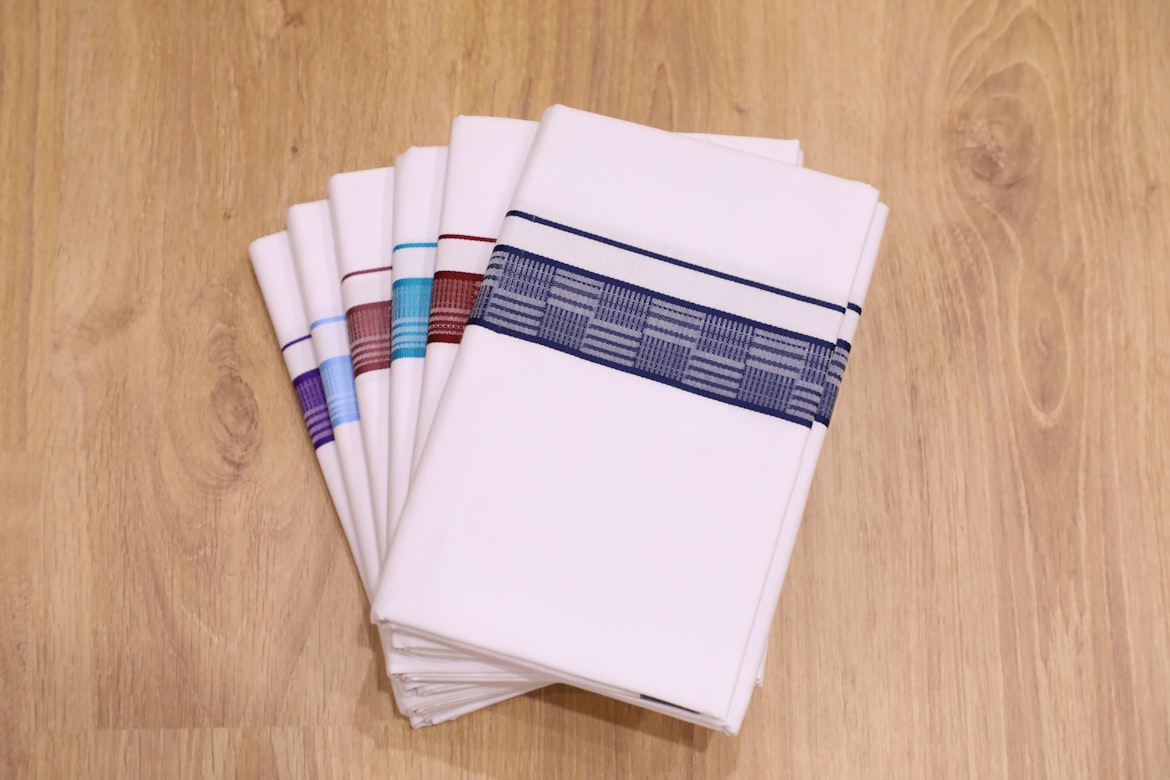
Indian traditional clothing is incredibly diverse, with each region of the country having its distinctive style of clothing. Some of the popular traditional clothing items in India include sarees, salwar kameez, lehenga choli, dhoti kurta, and sherwani. Each of these clothing items has its unique history, style, and purpose.
Design and patterns
The design and patterns used in Indian traditional clothing are exceptionally intricate and beautiful. From the use of bold colors to intricate embroidery work, each clothing item is a masterpiece in itself. Traditional clothing in India is known for its attention to detail and the use of exquisite fabrics like silk, cotton, and linen.
Occasions and festivals
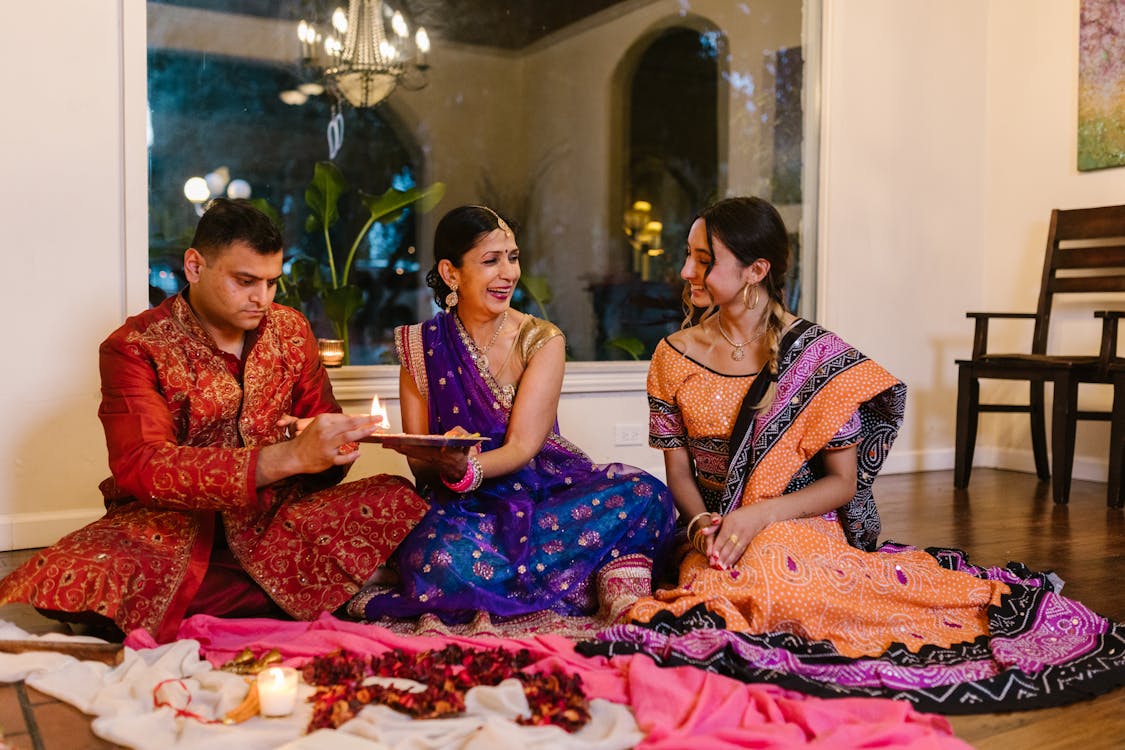
Indian traditional clothing is an essential part of the country’s culture and traditions. From weddings and festivals to religious events, traditional clothing is worn on various occasions in India. People of all ages and genders wear traditional clothing to celebrate their culture and heritage.
Global appeal
In recent years, Indian traditional clothing has gained immense popularity across the world. From Hollywood celebrities to fashion designers, everyone seems to be inspired by the timeless beauty of Indian traditional clothing. The global appeal of these clothing items has also given a boost to the Indian fashion industry, making it a billion-dollar market.
In conclusion
Indian traditional clothing is not just about fashion, but it is also an expression of the country’s rich culture and heritage. The exquisite artistry, bright colors, intricate designs, and patterns make it a unique and timeless piece of clothing that inspires people across the world. By embracing traditional clothing, we can keep our culture alive and celebrate our identity with pride.
Summary
Indian traditional clothing, with its vibrant hues, intricate patterns, and exquisite craftsmanship, has attracted people from around the world for centuries. Each region of India has its unique sartorial identity, reflecting local customs and traditions. Despite its diversity, Indian traditional clothing has universal appeal and has adapted over time to changing fashion landscapes. What sets it apart is its intrinsic connection with stories and legends, celebrating heritage over hype. In a world of fast fashion, Indian traditional clothing represents an antidote, celebrating quality over quantity and craftsmanship over convenience.

FAQ
What is Indian traditional clothing?
Indian traditional clothing refers to the clothing that is worn by Indians during cultural events, festivals, weddings or just as part of their everyday attire. It includes sarees, salwar kameez, lehengas, kurtis, dhotis, sherwanis, and turbans, among others. These garments are usually made with traditional fabrics like silk, cotton, or linen, and are adorned with intricate embroidery, beading, or block prints that reflect the rich cultural heritage of India.
What occasions are appropriate for wearing Indian traditional clothing?
Indian traditional clothing is most commonly worn during cultural events and festivals such as Diwali, Holi, and Eid, as well as for weddings and other formal occasions. It is also common to wear traditional clothing during religious ceremonies and family gatherings. However, many people in India wear these garments as part of their daily attire or for special occasions like a first day at a new job or a special dinner out.
Is Indian traditional clothing comfortable to wear?
Yes, Indian traditional clothing is designed to be comfortable and stylish. The fabrics used in traditional garments are often lightweight and airy, making them ideal for the hot and humid climate of India. In addition, the loose and flowy cuts of many traditional garments allow for freedom of movement, making them perfect for dancing and other active pursuits.
Where can I buy Indian traditional clothing?
Indian traditional clothing can be found in a variety of places, both in India and overseas. In India, you can find traditional clothing at markets, boutiques, and specialty shops. Online retailers also offer a wide selection of traditional clothing, making it easy to shop from the comfort of your own home. It is important to note that the quality and authenticity of traditional clothing can vary greatly, so it is important to do your research before making a purchase.